Cordyceps is a mushroom that has had a place in traditional Chinese herbalism for more than two thousand years. In recent years it has been quickly gaining recognition here as a supplement too. In this blog you can read what cordyceps is exactly, where it comes from, what is in it and how you use it.
What exactly is cordyceps?
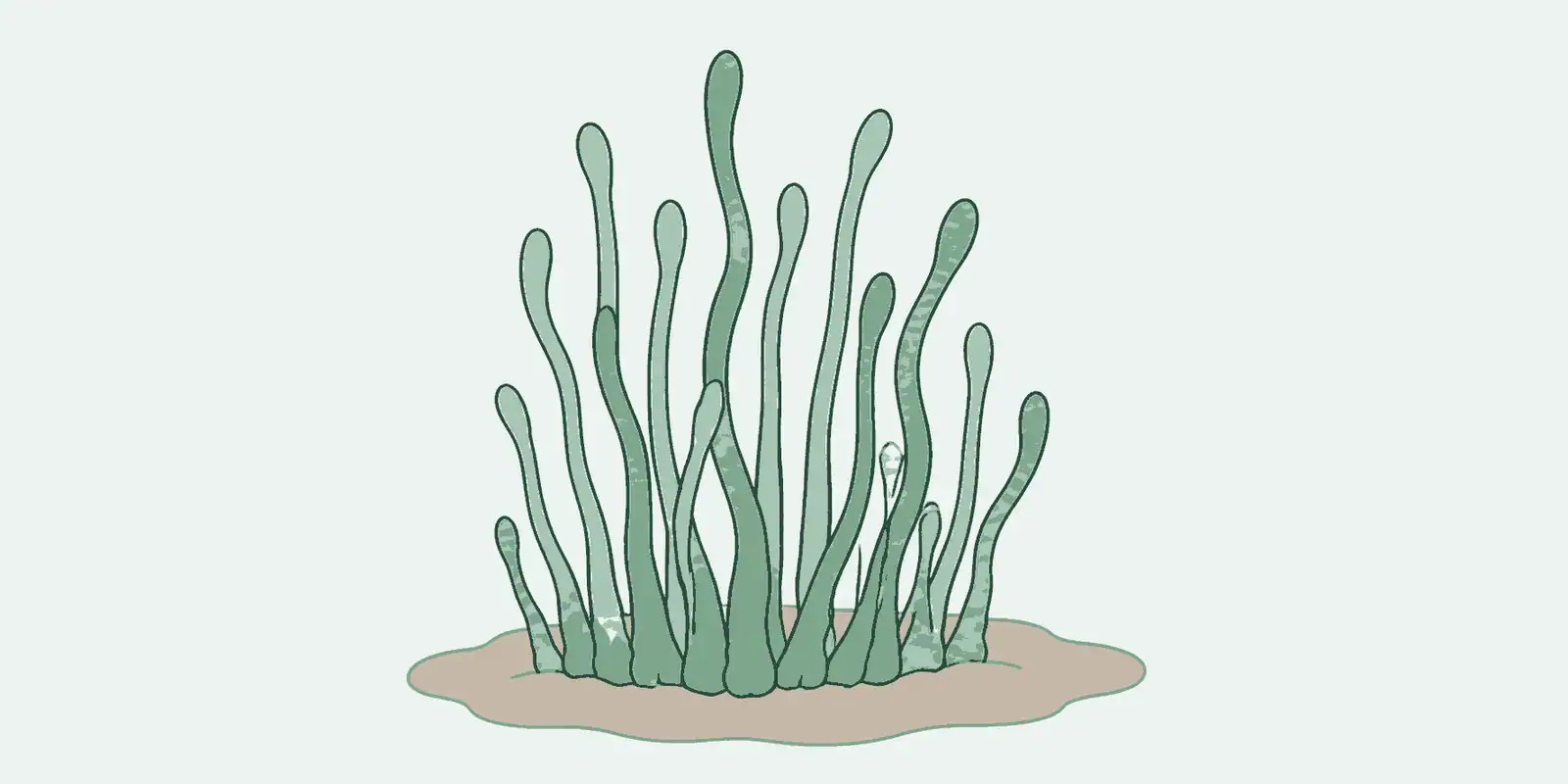
Cordyceps is a genus of fungi that grows naturally on insects. You find it mainly at high altitude, between 3000 and 5000 metres in the Himalayas. The best-known species are Cordyceps sinensis and Cordyceps militaris. Wild sinensis is rare and protected, so supplements almost always use cultivated militaris.
For centuries cordyceps was gathered by hand in the highlands of Tibet and Nepal, which made it a rare and costly product. These days the mushroom is grown under controlled conditions, which has made it a good deal more accessible.
A mushroom with a long history
In traditional Chinese herbalism cordyceps has been used for thousands of years. It had a fixed place in the herbal traditions of Tibet and China and was often seen as a special and valuable ingredient.
That rich history partly explains why cordyceps is now attracting interest in the West too. As with other mushrooms: traditional use is something other than scientific proof.
What is in cordyceps?
Cordyceps contains a number of bioactive compounds that make the mushroom interesting for research. The best known are cordycepin, a nucleoside, and polysaccharides, including beta-glucans.
These compounds are characteristic of cordyceps. What exactly they do in the body is still being researched.
Cordyceps and science
Scientific research is being done into cordyceps, among other things into its role around exertion and the immune system. Much of that research has been carried out in animals or in small studies, and the results are not yet unambiguous. For humans there are no hard conclusions yet.
There are currently no EU-approved health claims for cordyceps. It is a food supplement, not a medicine and not a replacement for a healthy lifestyle.
Cordyceps side effects: is cordyceps safe?
Cordyceps is well tolerated by most people. The manufacturer notes that very high doses may cause mild stomach complaints. Beyond that, there are three points to keep in mind:
- Use is not advised during pregnancy or breastfeeding.
- Do you take medication such as blood thinners or corticosteroids? Consult your doctor first.
- Anyone allergic to one of the ingredients is better off leaving cordyceps alone.
Stick to the dose on the packaging and start gently, so you notice how your body responds. In doubt, or living with a medical condition? Ask your doctor first.
Use and dosage of cordyceps
Cordyceps comes in various forms: capsules, powders and extracts. At Dutch Balance we carry cordyceps in capsule form: powder from the whole fruiting body of cultivated Cordyceps militaris.
The packaging says 1 to 2 capsules a day, with water, preferably during or after a meal. Do not take more than that. Would you like to start calmly? Then begin with one capsule a day to see how you get on with it.
Cordyceps in your daily routine
A supplement is easiest to take at a fixed moment. Cordyceps is easy to fit in: you take the capsules with a sip of water.
Choose fixed moments, at lunch or dinner for instance. That way it becomes a fixed part of your day and you are less likely to forget it.
Frequently asked questions about cordyceps
What does cordyceps do to your body?
We are not allowed to say. No health claims for cordyceps have been approved in the European Union, and research has often been done on animals or in small studies, without firm conclusions for people. What is certain is that cordyceps has had a place in traditional Chinese and Tibetan herbal medicine for more than two thousand years, and it contains cordycepin and polysaccharides, among other compounds.
Is cordyceps safe?
The manufacturer reports that mild stomach complaints may occur at very high doses. Use is not recommended during pregnancy and breastfeeding, or if you are allergic to any of the ingredients. If you take medicines such as blood thinners or corticosteroids, or have a medical condition, talk to your doctor first. Otherwise, stick to the dosage on the packaging.
What is cordyceps called in Dutch?
In Dutch it is simply called cordyceps as well. It is a genus of fungi that grows naturally on insects, mainly at altitudes of 3,000 to 5,000 metres in the Himalayas. The best-known species are Cordyceps sinensis and Cordyceps militaris, and today the mushroom is cultivated under controlled conditions.
Trying cordyceps yourself?
Has this special mushroom caught your interest? Have a look at our Pure Mushrooms Cordyceps capsules or the full range of mushrooms. Do you have questions about using it? Feel free to get in touch, we are happy to help.
Buying cordyceps? Have a look at the organic Cordyceps capsules from the whole fruiting body.