
Shilajit
Shilajit is a resinous substance from the Himalayas, naturally rich in fulvic acid, humic acid and more than 84 minerals. It has been used in Ayurveda for centuries. At Dutch Balance you will find pure shilajit from the Dutch brand Shilafit: as a resin, as capsules and in honey sachets. All three lab-tested for purity and heavy metals, without unnecessary additives.
Products
-
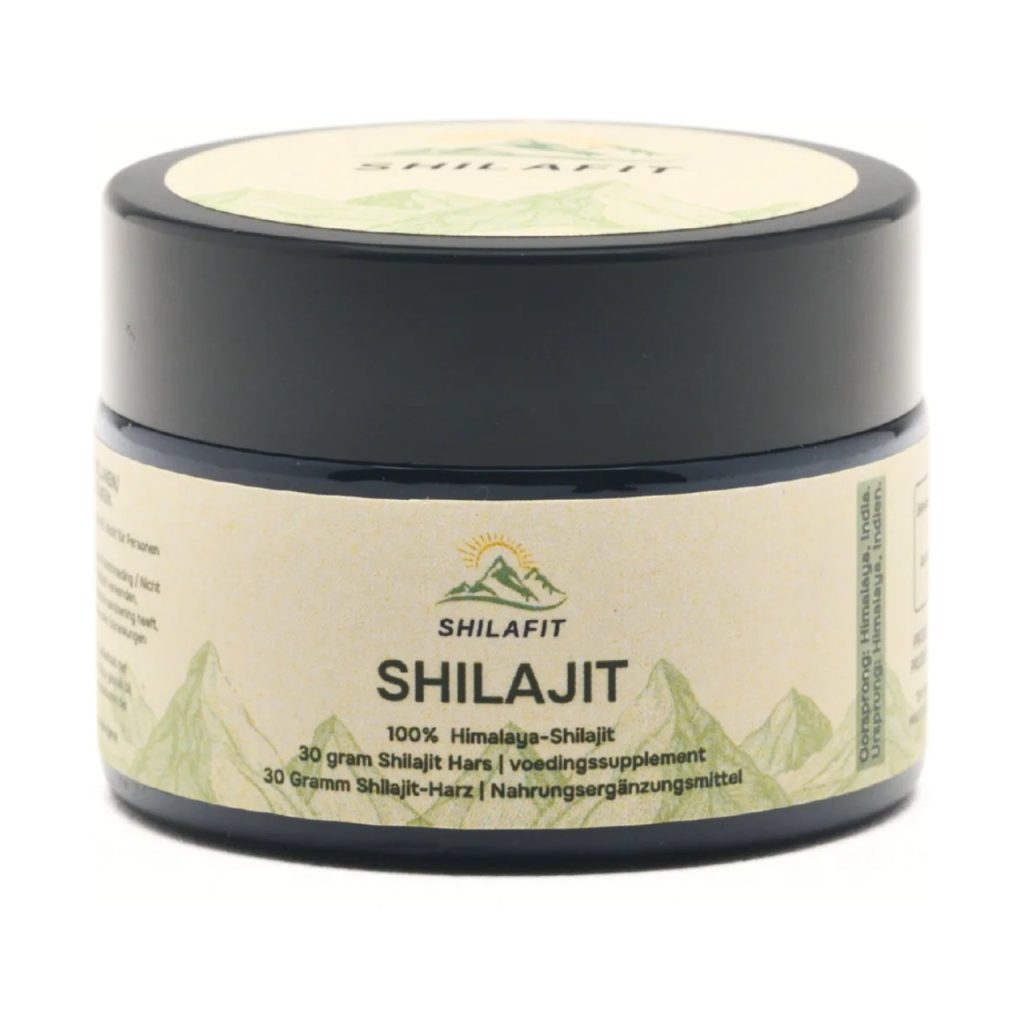
Shilafit Shilajit resin 30 gram
In stock
What is shilajit?
Shilajit is a dark, resinous substance found in the Himalayas and other high mountain ranges. It forms over a period of centuries: plant material is slowly broken down and compressed between the rock layers. What remains is a concentrated substance with fulvic acid, humic acid and a broad spectrum of minerals. Shilajit is also known as mumijo and has been used within ayurveda for centuries. Want to go deeper? Then read our article about what shilajit is exactly.Fulvic acid, humic acid and minerals
The composition is what sets shilajit apart from an ordinary mineral supplement:- Fulvic acid is the compound shilajit extracts are standardised on. Its level is therefore also the way you can compare quality.
- Humic acid occurs naturally in shilajit and comes from the same centuries-long breakdown process.
- Minerals and trace elements are naturally present, more than 84 different ones. The precise composition differs per source.
Resin, capsules or honey sachets: which do you choose?
All three forms contain shilajit from the Himalayas and cost the same. The difference is in convenience, taste and dosing.- Resin is the traditional form. You dose 0.5 gram with the spoon supplied and dissolve it in warm water. Pure, purified resin without additions, with the naturally powerful taste. A 30 gram pot.
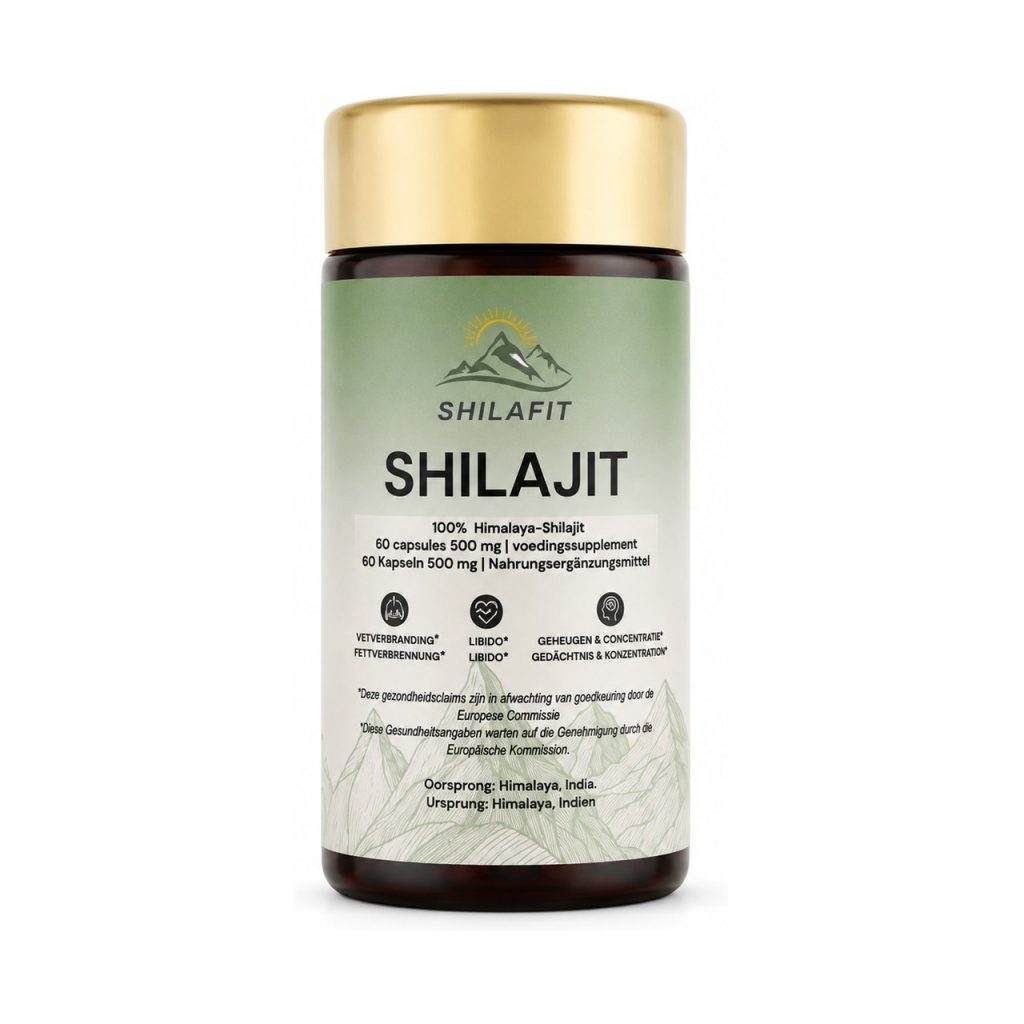
- Capsules are pre-dosed and tasteless. Every capsule contains 500 mg of extract, standardised on 80% fulvic acid. One a day, 60 per jar, good for about two months. Plant-based capsule.
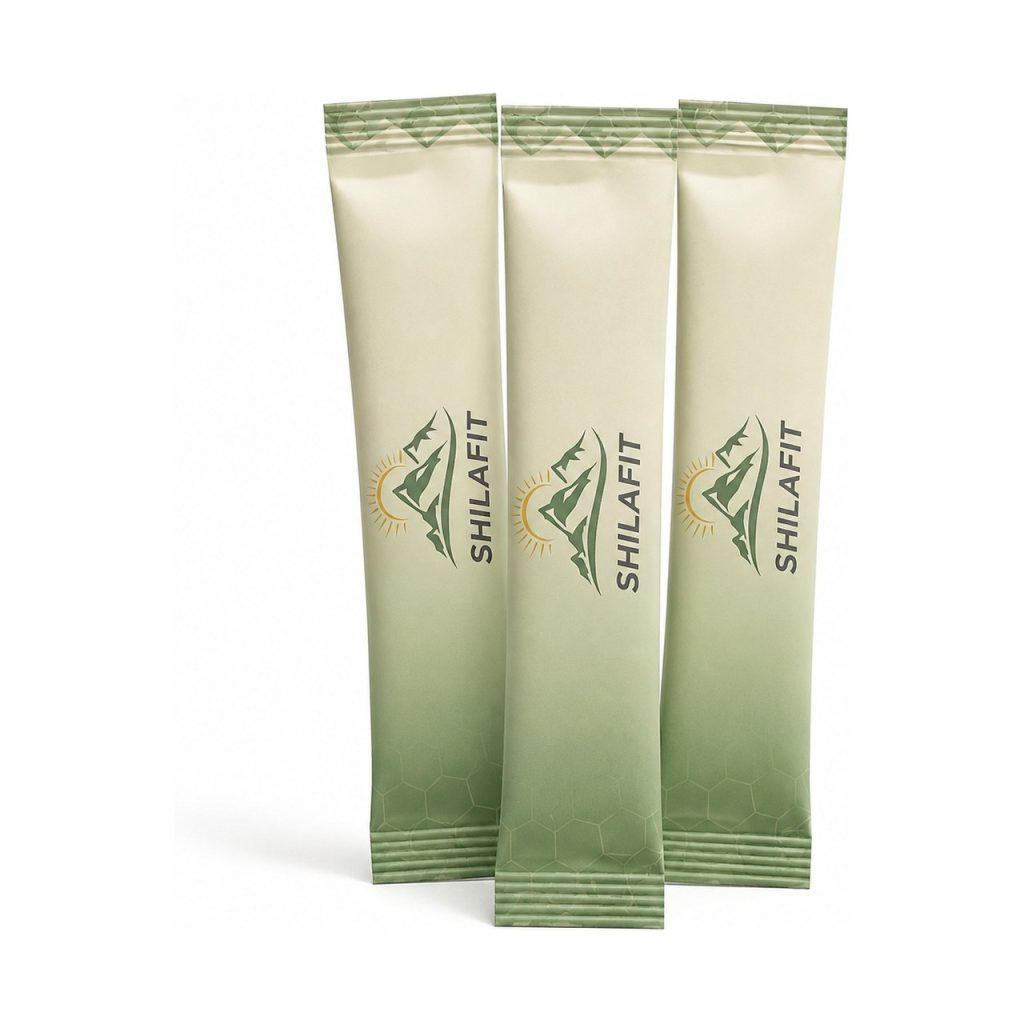
- Honey sachets combine 400 mg of extract, standardised on 93% fulvic acid, with fennel honey. Pre-dosed in sticks, 30 for 30 days. Note: contains honey and is therefore not vegan.
How do you use shilajit?
Shilajit is generally taken once a day, preferably in the morning on an empty stomach. If you have a sensitive stomach, take it with a meal.- Resin: 0.5 gram with the spoon, dissolved in a cup of warm water and drunk as a tea.
- Capsules: 1 capsule with water, preferably with a meal.
- Honey sachets: squeeze 1 sachet into warm tea or water, stir it into your muesli, or take it straight.
Quality and origin
With a natural product from the high mountains, the origin is half the story. Shilafit is a Dutch brand from Amsterdam devoted entirely to shilajit. The extract comes from the high-altitude regions of the Himalayas, harvested at at least 2000 metres. Every production batch goes to European accredited laboratories. There it is checked for purity (no additives or fillers), potency (the exact fulvic acid content), origin and safety. That last point means checks for microbiological contaminants and for heavy metals such as lead, mercury, cadmium and arsenic, among other things. With shilajit that is not a luxury, because it is a natural product that comes straight out of the rocks.Frequently asked questions about shilajit
What exactly is shilajit?
A resinous substance from the Himalayas, formed because plant material has been broken down and compressed between the rock layers over the centuries. It naturally contains fulvic acid, humic acid and more than 84 minerals. Also known as mumijo.
What is fulvic acid?
Fulvic acid is one of the constituents that occur naturally in shilajit, and the compound shilajit extracts are standardised on. A higher percentage means a more concentrated extract. Our capsules are at 80%, the honey sachets at 93%.
Resin, capsules or honey sachets: what is the difference?
The shilajit is the same, the convenience differs. Resin you dose yourself with a spoon and it has a pronounced taste. Capsules are pre-dosed and tasteless. Honey sachets are pre-dosed and, thanks to the fennel honey, softer in taste, but they contain honey and are not vegan.
When do you take shilajit?
Usually once a day, preferably in the morning on an empty stomach. With a sensitive stomach you take it with a meal.
Is shilajit vegan?
The resin and the capsules are. The honey sachets are not, because they contain fennel honey.
Can you put shilajit in tea?
Yes, that is one of the usual ways. The resin is meant to be dissolved in warm water or tea. Shilafit has made two herbal teas to go with it: Morning Strength for the morning and Deep Rest for the evening. Those teas contain no shilajit themselves; you add the resin separately.