Shilajit has in a short time gone from an unknown ayurvedic raw material to one of the most sought-after supplements around. It makes sense that you would wonder what it actually is. In this article you can read where shilajit comes from, how it forms, what is in it, what research does and does not say about it, and what to look out for when you buy it.
What is shilajit?
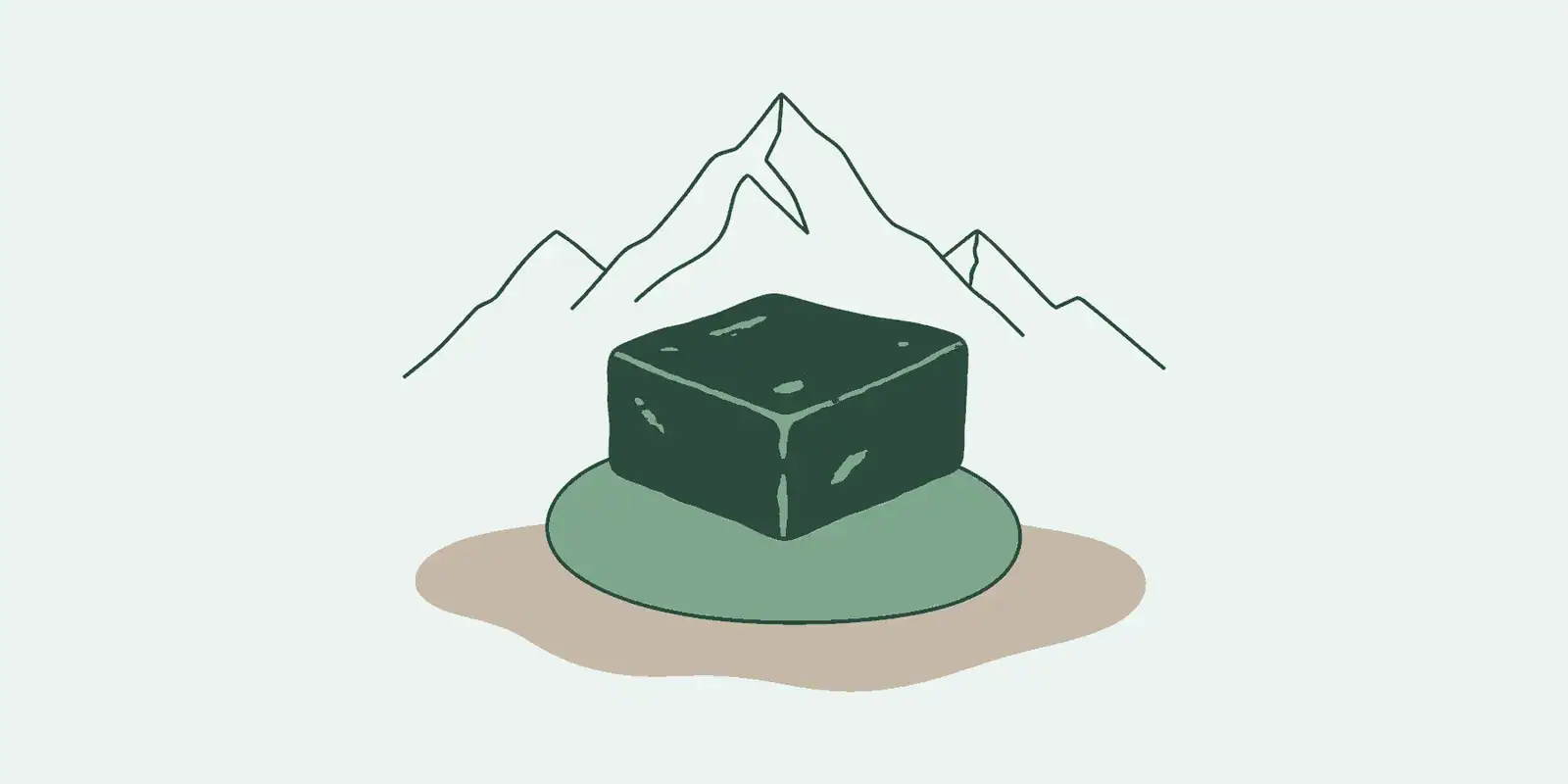
Shilajit is a dark, resinous substance found in the Himalayas and other high mountain ranges. You find it in cracks and crevices in rocks, at high altitude. The substance is also known as mumijo and has been used within ayurveda, the traditional Indian system of medicine, for centuries.
At its core shilajit is not a herb and not a mineral, but something in between: a natural concentrate of plant material that has been transformed over a very long time.
How does shilajit form?
How it forms explains straight away why it has such a special composition. Plant material gets trapped between the rock layers of the high mountains. Through the pressure of the rock, the altitude, the temperature swings and time, that material is slowly broken down. That process takes centuries.
What eventually seeps out of the rocks is a concentrated resin in which the residues of that breakdown are compressed together: fulvic acid, humic acid and a broad spectrum of minerals. The raw resin is harvested and then purified, because in unprocessed form it also contains sand, plant remains and other contaminants.
What is in it: fulvic acid, humic acid and minerals
The composition differs per source, but three constituents always recur.
Fulvic acid is the constituent it revolves around in practice. It is the compound shilajit extracts are standardised on, and therefore also the way you can compare quality. An extract with 93% fulvic acid is more concentrated than one with 80%.
Humic acid comes from the same breakdown process and occurs naturally in shilajit.
Minerals and trace elements, more than 84 different ones, are the third component. They come from the plant material and the surrounding rock.
What does the research say?
Honesty is called for here, because all sorts of things are attributed to shilajit online. The state of play: the composition of shilajit has been mapped well, and the tradition of use within ayurveda is centuries old and well documented. Scientific research into the effects in humans is, on the other hand, still limited and ongoing.
That also means something concrete for the European rules: there are no approved health claims for shilajit. So we may not and do not want to claim that it does anything for you. What we can tell you is what it is, where it comes from, what is in it and how people use it. What you do with that is up to you.
If you come across a seller who does make firm promises, be alert. That says more about the seller than about the product.
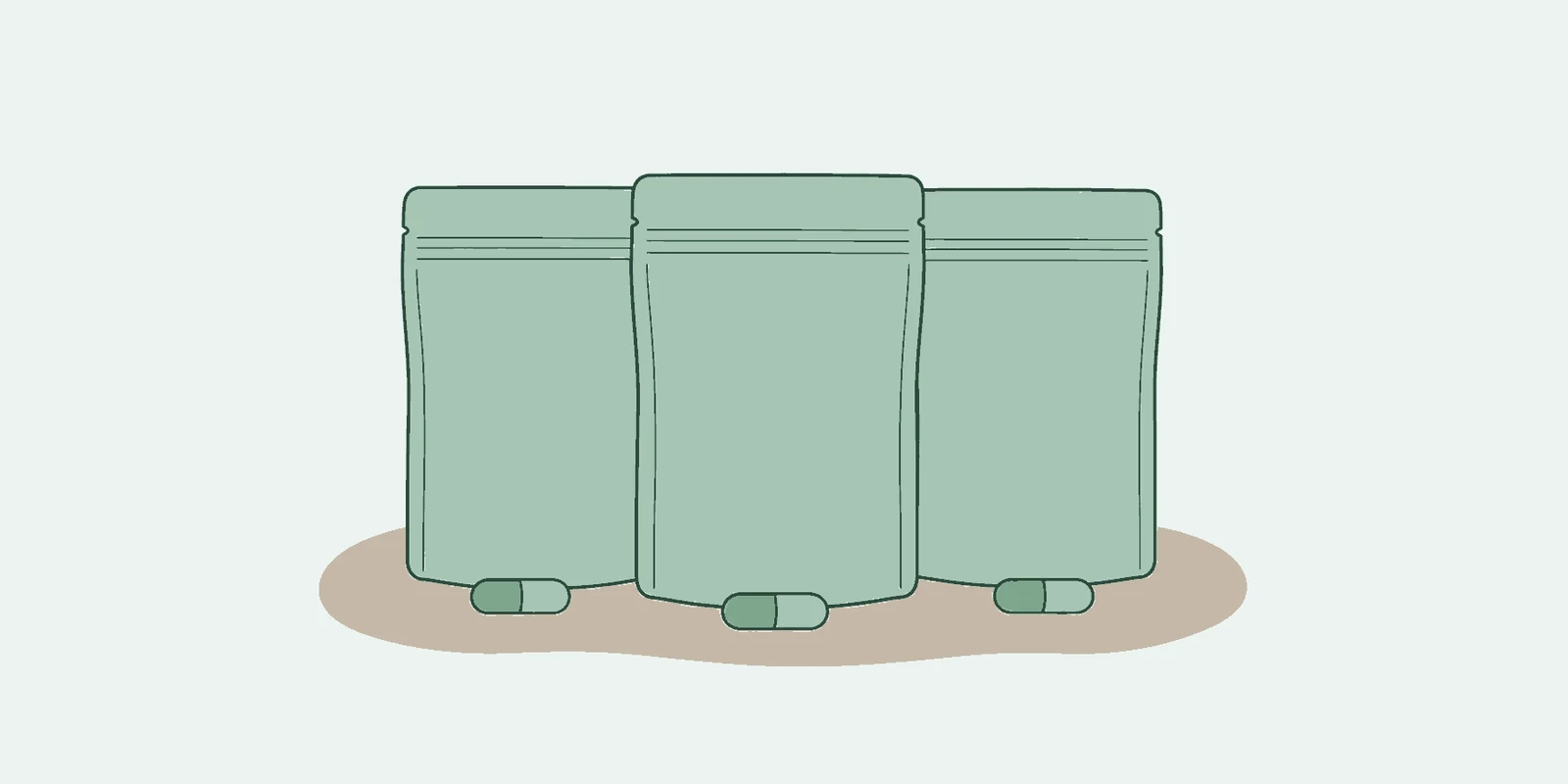
Resin, capsules or honey sachets
Shilajit comes in various forms. The shilajit itself is the same, the difference is in convenience and taste.
Resin is the traditional form. You dose it with a small spoon, usually 0.5 grams, and dissolve it in warm water. The taste is pronounced, that is simply the honest story with pure resin. For many people that is part of the ritual.
Capsules are pre-dosed and tasteless. No spoon, no measuring. Practical if you would rather skip the taste.
Honey sachets sit in between: pre-dosed like a capsule, but with honey that softens the taste. The drawback is that honey means the product is not vegan.
How do you use shilajit?
The usual approach is once a day, preferably in the morning on an empty stomach. If you have a sensitive stomach, take it with a meal. With resin you dissolve the dose in a cup of warm water or tea. Let boiling water cool a little before you add it.
Stick to the recommended daily amount. Do you take medication, are you pregnant or breastfeeding? Then consult a doctor first.
What should you look out for when buying?
Shilajit comes literally out of the rocks. That is its charm, but it is also exactly why quality control weighs more heavily here than with an average supplement. Four things to look out for:
- Heavy metals. A natural product from rock can contain lead, mercury, cadmium or arsenic. A reliable supplier tests for that per batch and can demonstrate it.
- Fulvic acid content. If there is no percentage on it, you do not know what you are buying.
- Origin. Ask where it comes from and at what altitude it was harvested.
- Purity. Pure shilajit needs no fillers or additions.
Frequently asked questions about shilajit
What does shilajit do to you?
That is the question we get most often, and at the same time the one we are not allowed to answer. No health claims have been approved for shilajit in the European Union, and research into its effects in people is still limited. What we can tell you: shilajit is a resin-like substance from high mountain ranges, containing fulvic acid, humic acid and minerals, and it has been used in Ayurveda for centuries.
What are the downsides of shilajit?
Pure resin has a pronounced taste. More importantly: because shilajit comes from rock, it can contain heavy metals if it has not been properly purified and tested. So choose a supplier that tests every batch for heavy metals. If you use medication, are pregnant or breastfeeding, talk to a doctor first.
Has there been scientific research into shilajit?
Yes, mainly into its composition, which has been well mapped. Research into its effects in people is still limited and ongoing. That is why there are no approved health claims for shilajit.
What is the best shilajit?
That depends less on the brand than on four things: tested for heavy metals, a stated percentage of fulvic acid, a known origin and no fillers. Whether you choose resin, capsules or honey sachets is a matter of convenience and taste; the shilajit itself is the same.
Shilajit at Dutch Balance
We carry pure Himalayan shilajit from the Dutch brand Shilafit, harvested at at least 2000 metres and tested per batch in European accredited laboratories, including for heavy metals. You will find it as resin, as capsules and as honey sachets. The full range is on our shilajit category page.
Interested in subjects like this? Then also read longevity: the science of ageing well or have a look at our longevity supplements.