
Vitamins and minerals
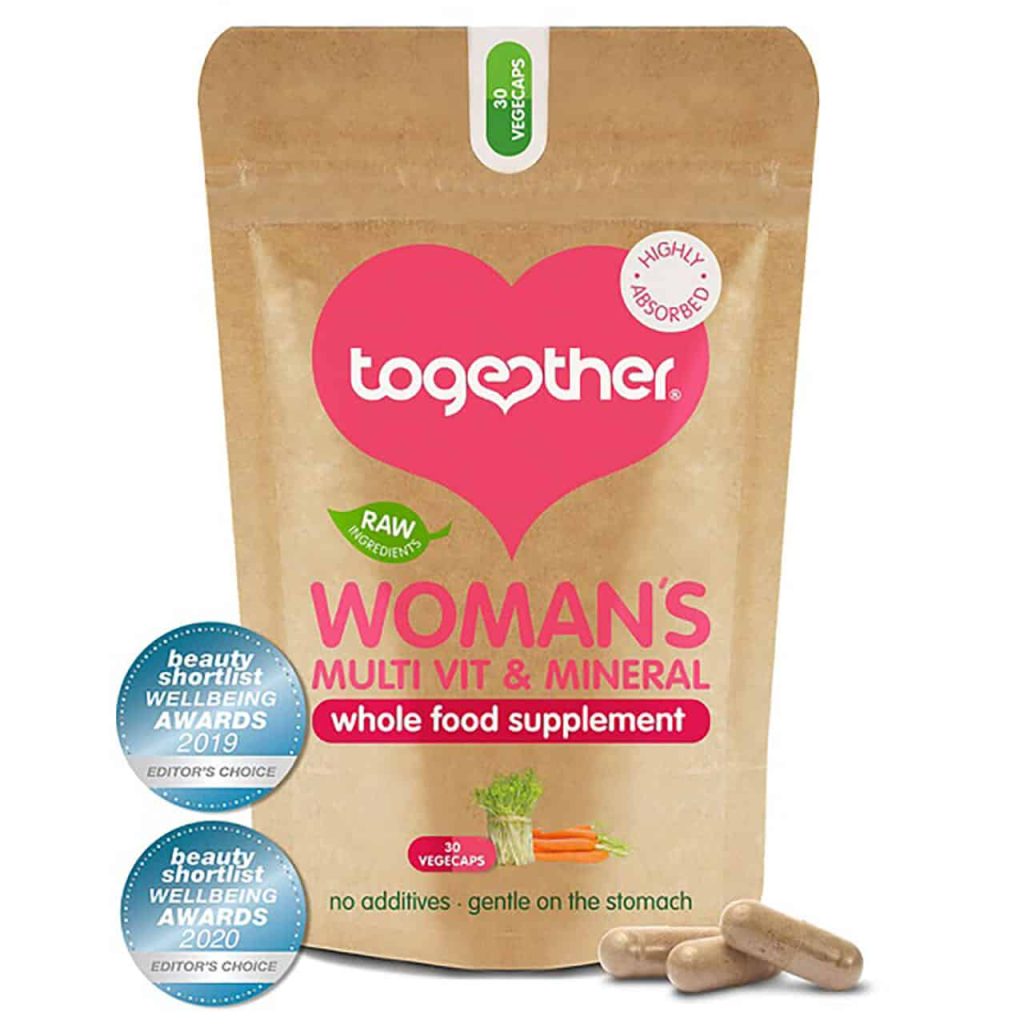
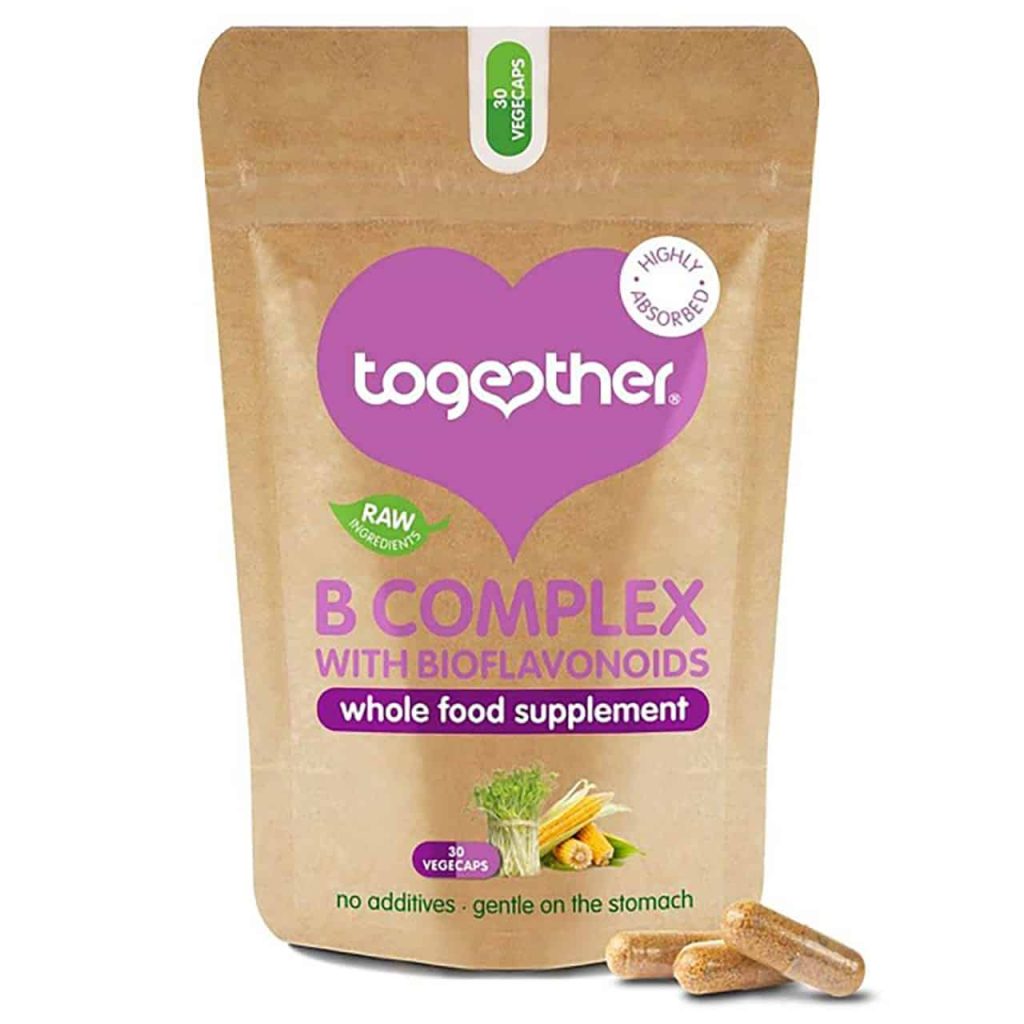
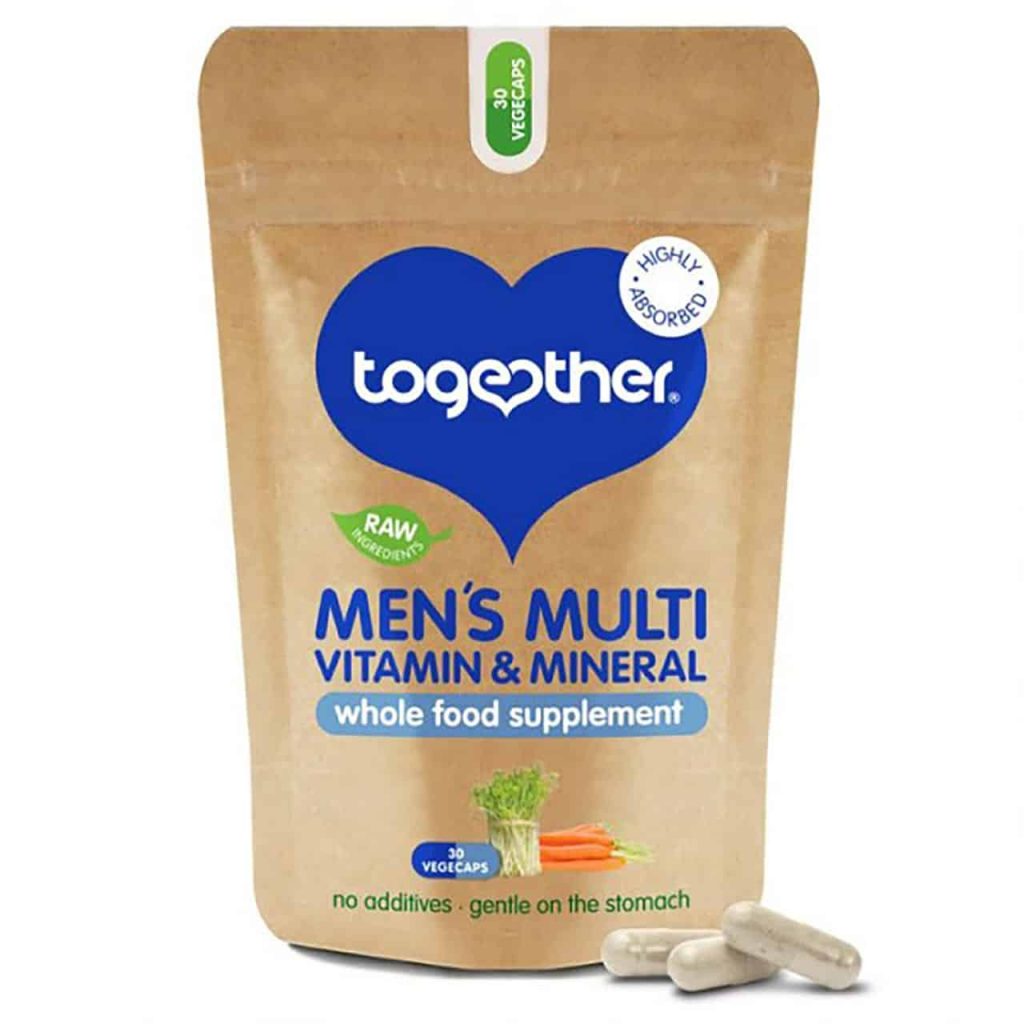
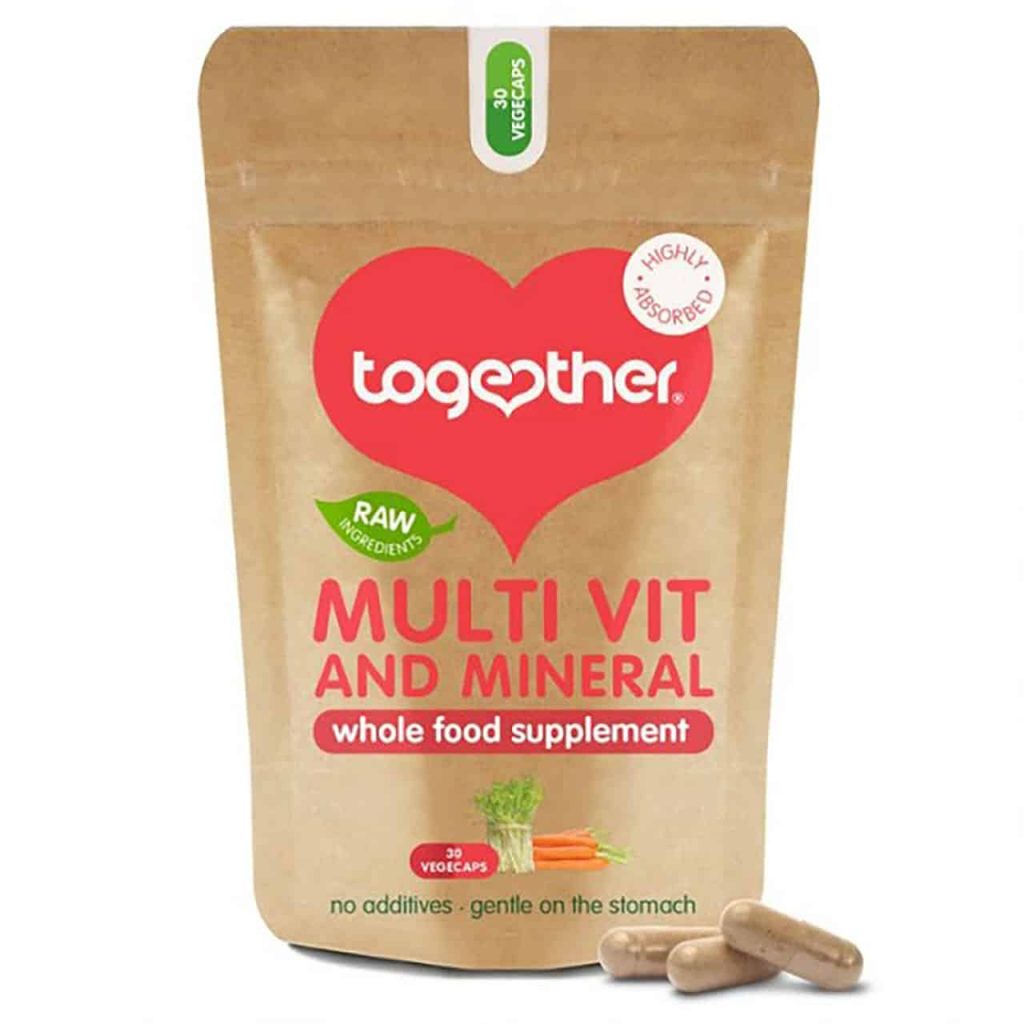
Vitamins and minerals are nutrients your body needs in small amounts. At Dutch Balance you will find vegan vitamins and minerals from the British brand Together, both single and in combined formulas. Read more about the differences and how to use them below the products.
Compare products side by side? Compare contents, dosage and price, and work out how long a pack lasts.Products
-
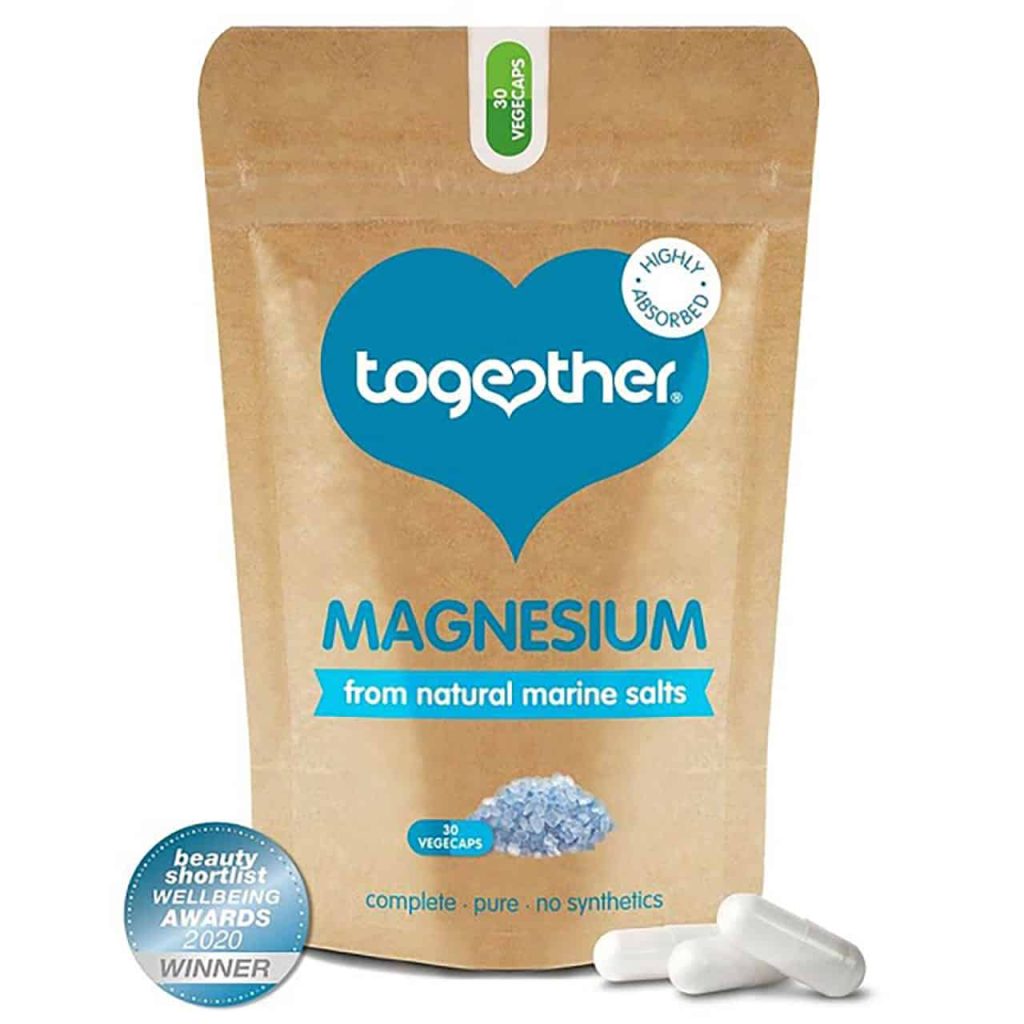
Magnesium capsules Together 30 pcs
In stock -
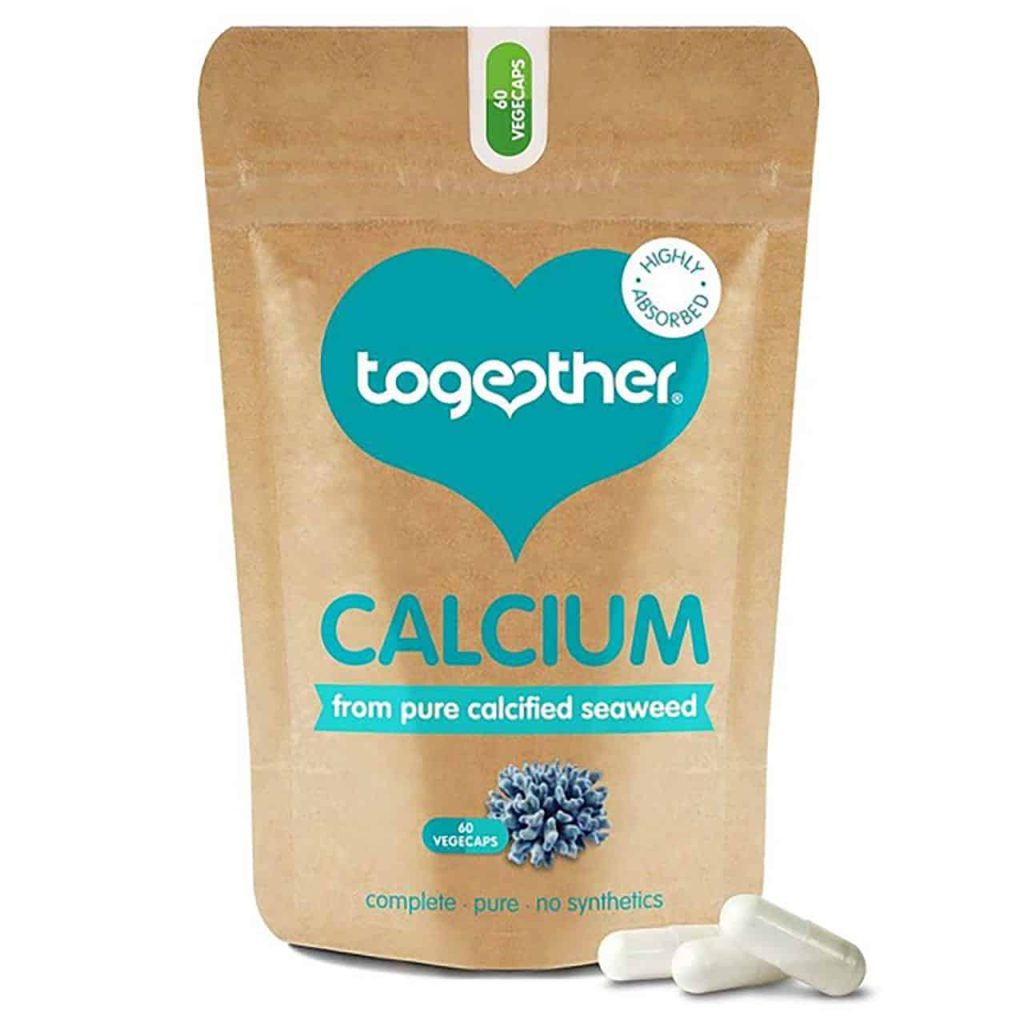
Calcium capsules Together 60 pcs
In stock -
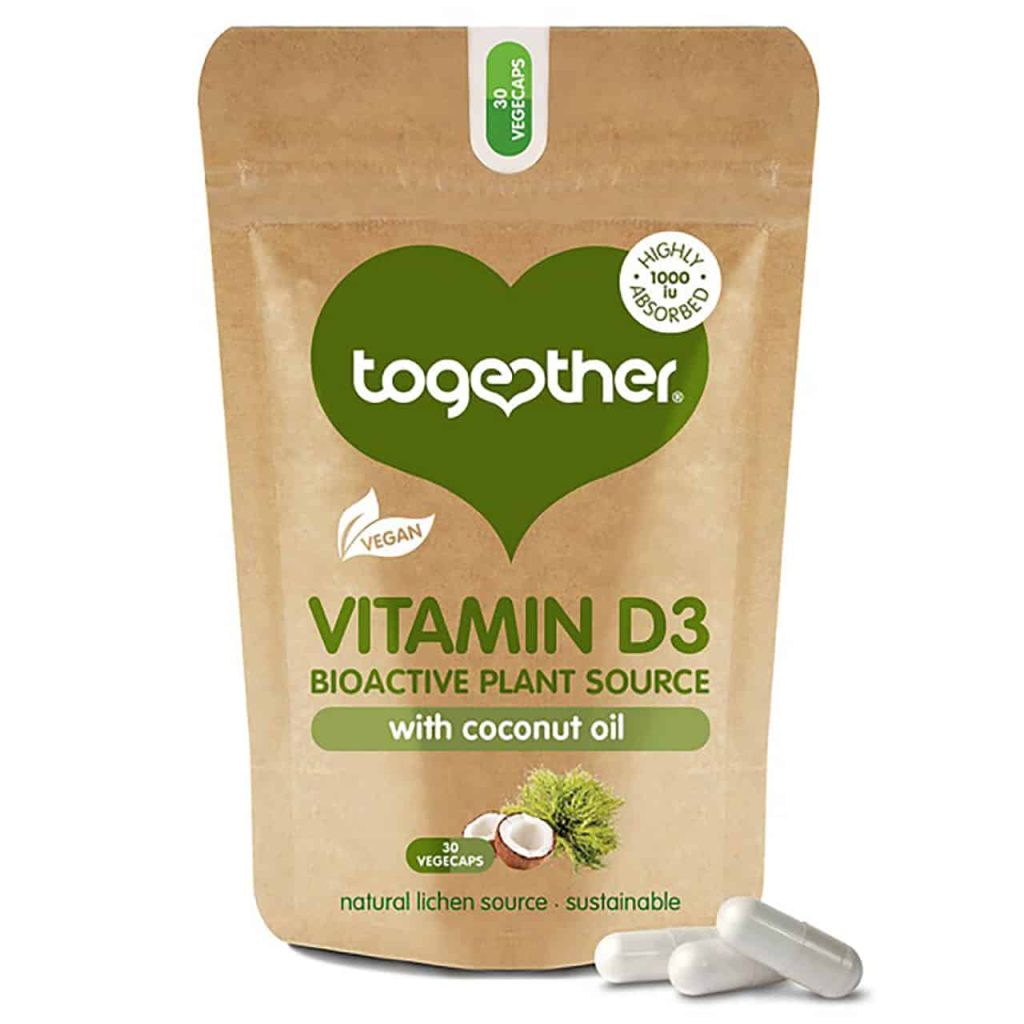
Vitamin D3 capsules Together 30 pcs
In stock -
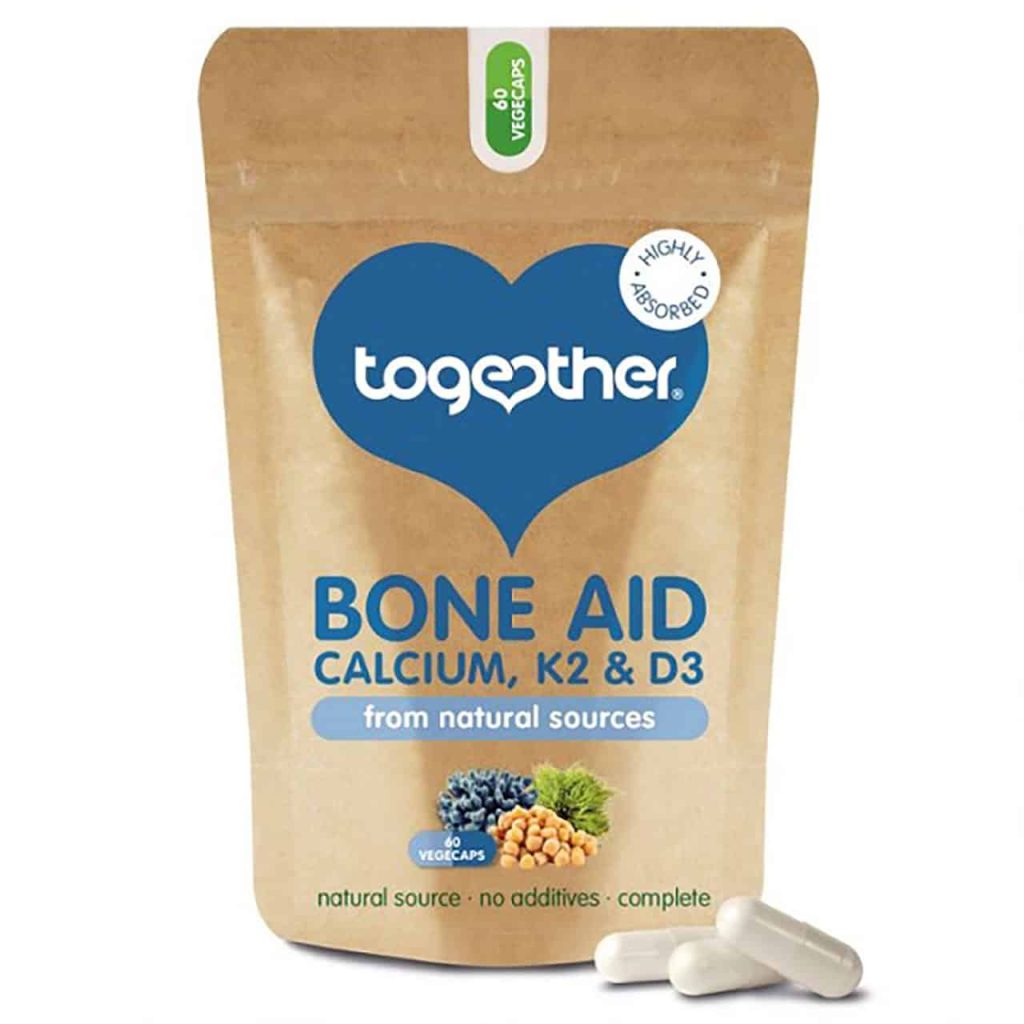
Bone Aid capsules Together 60 pcs
In stock -
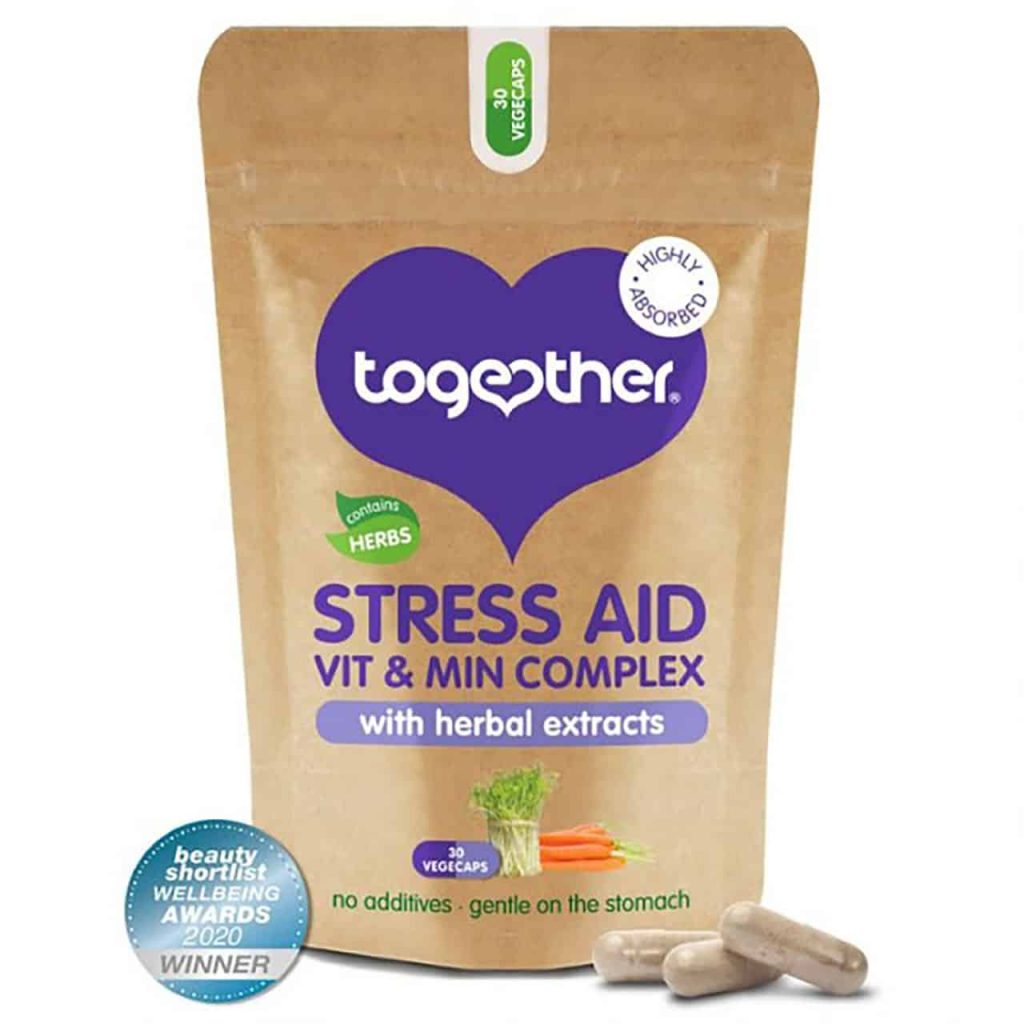
Stress Aid capsules Together 30 pcs
In stock -
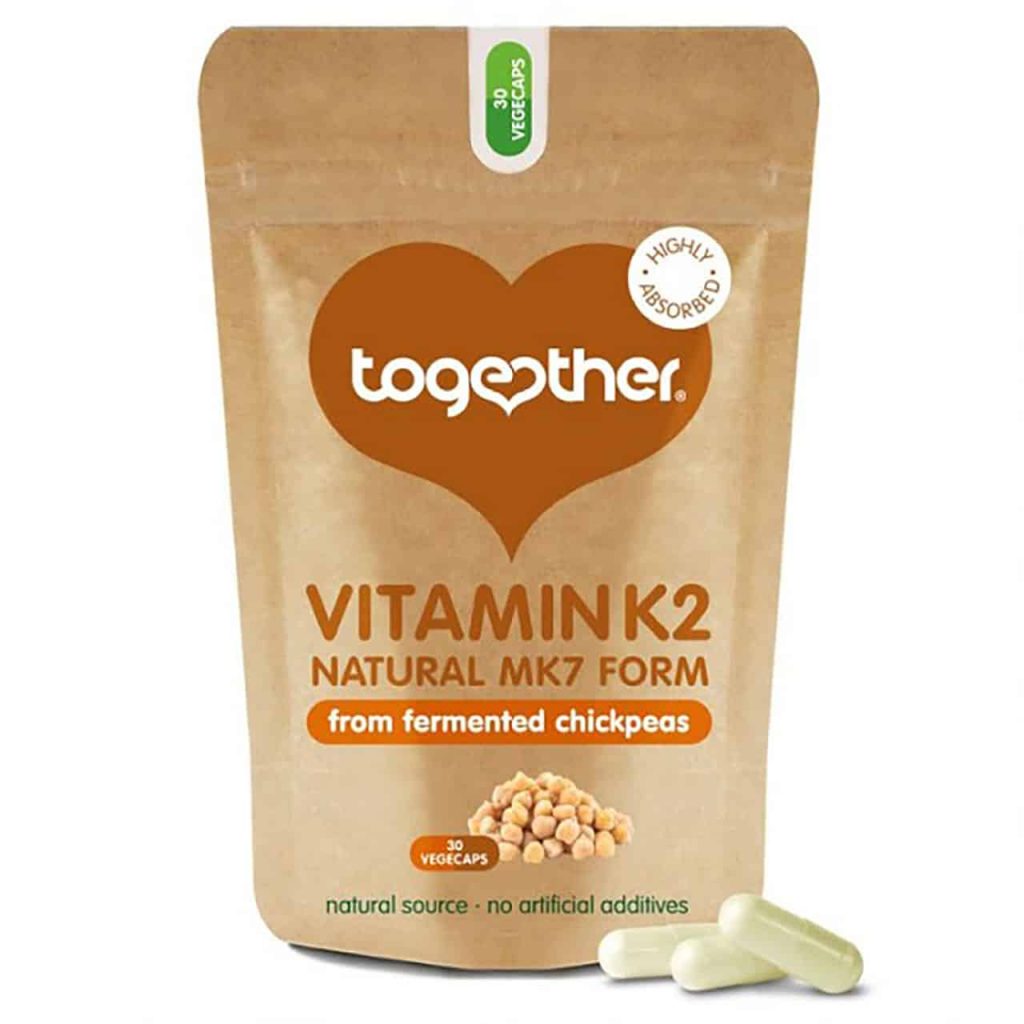
Vitamin K2 capsules Together 30 pcs
In stock -
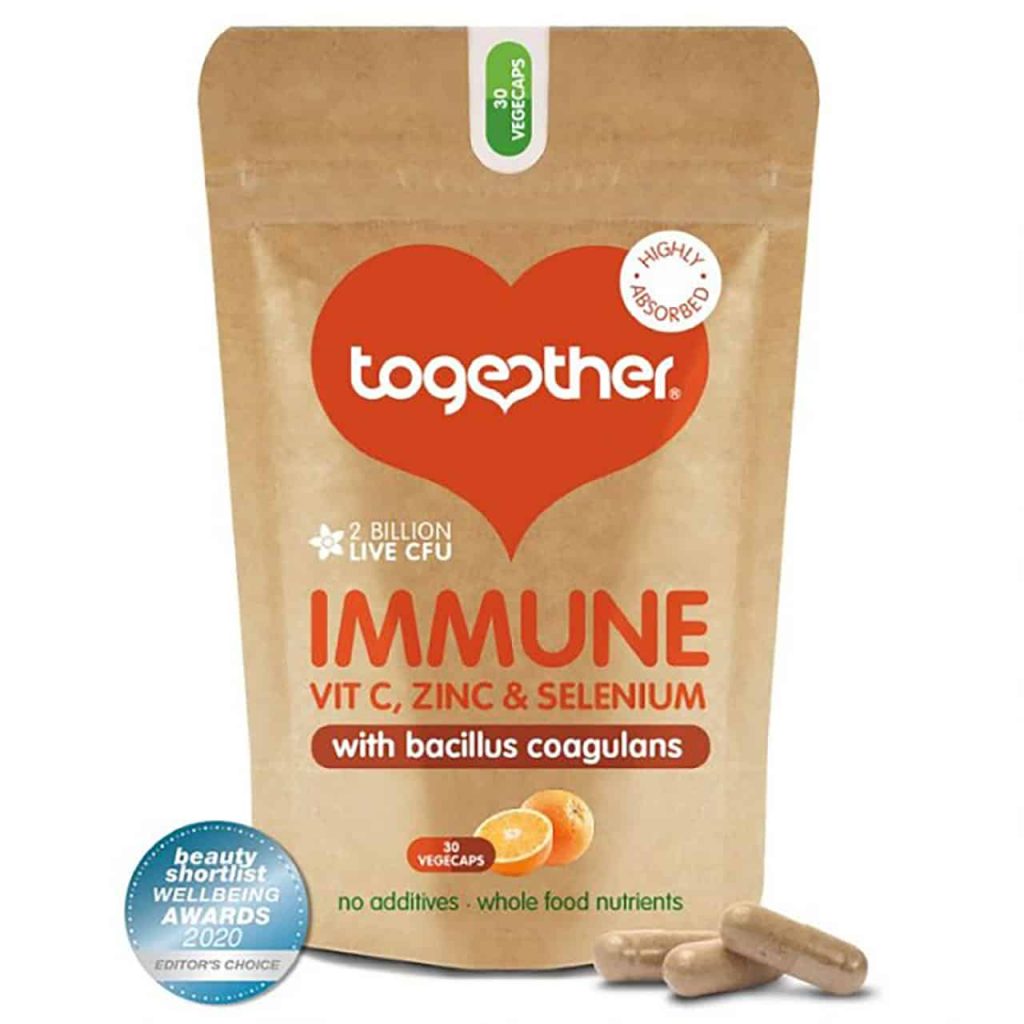
Immune capsules Together 30 pcs
In stock -
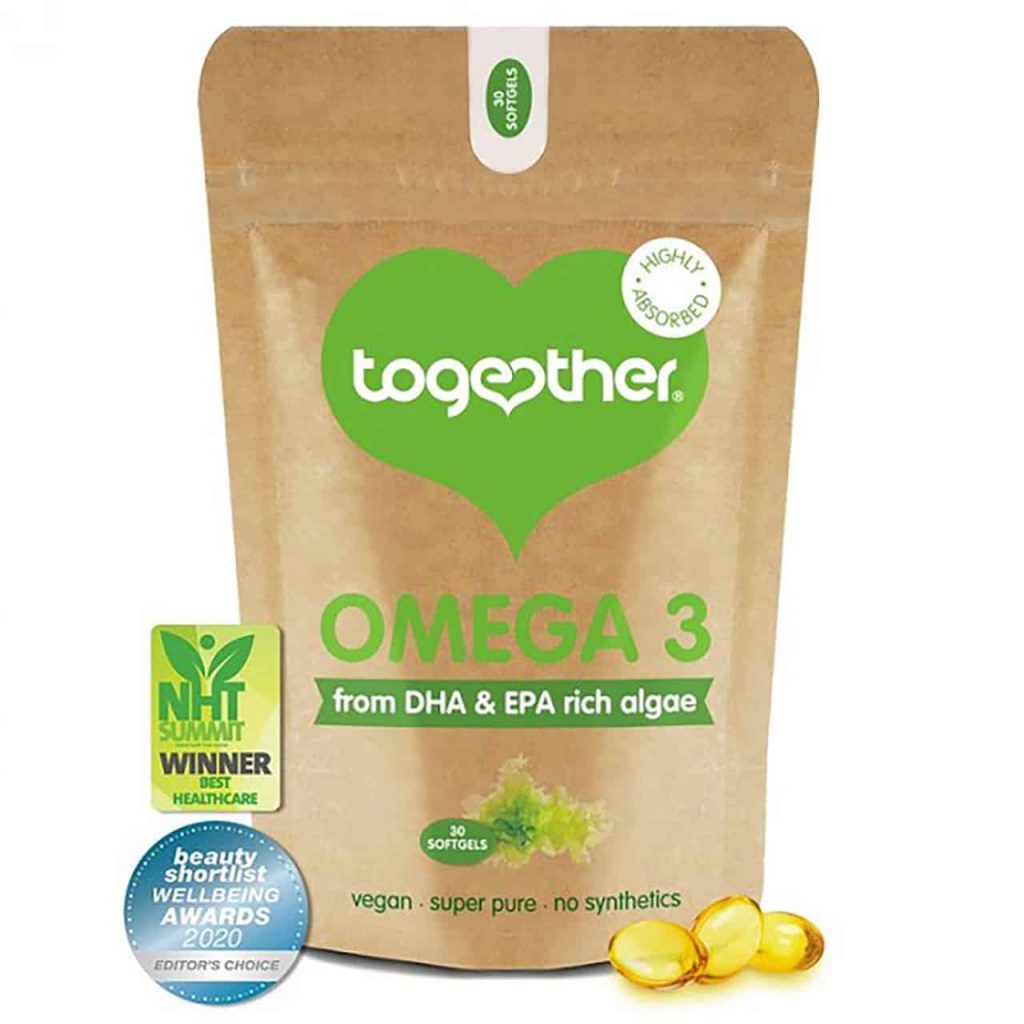
Omega 3 capsules Together 30 pcs
In stock -
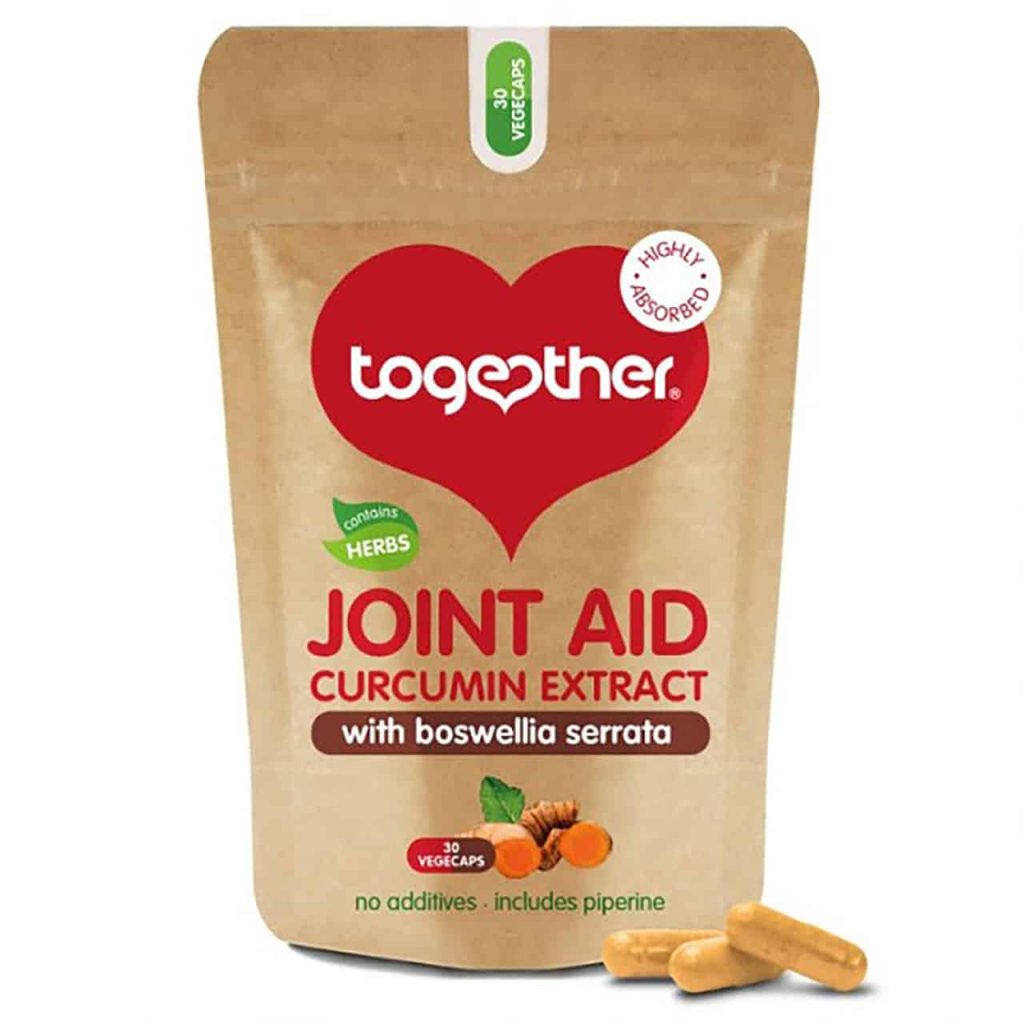
Joint Aid capsules Together 30 pcs
In stock -
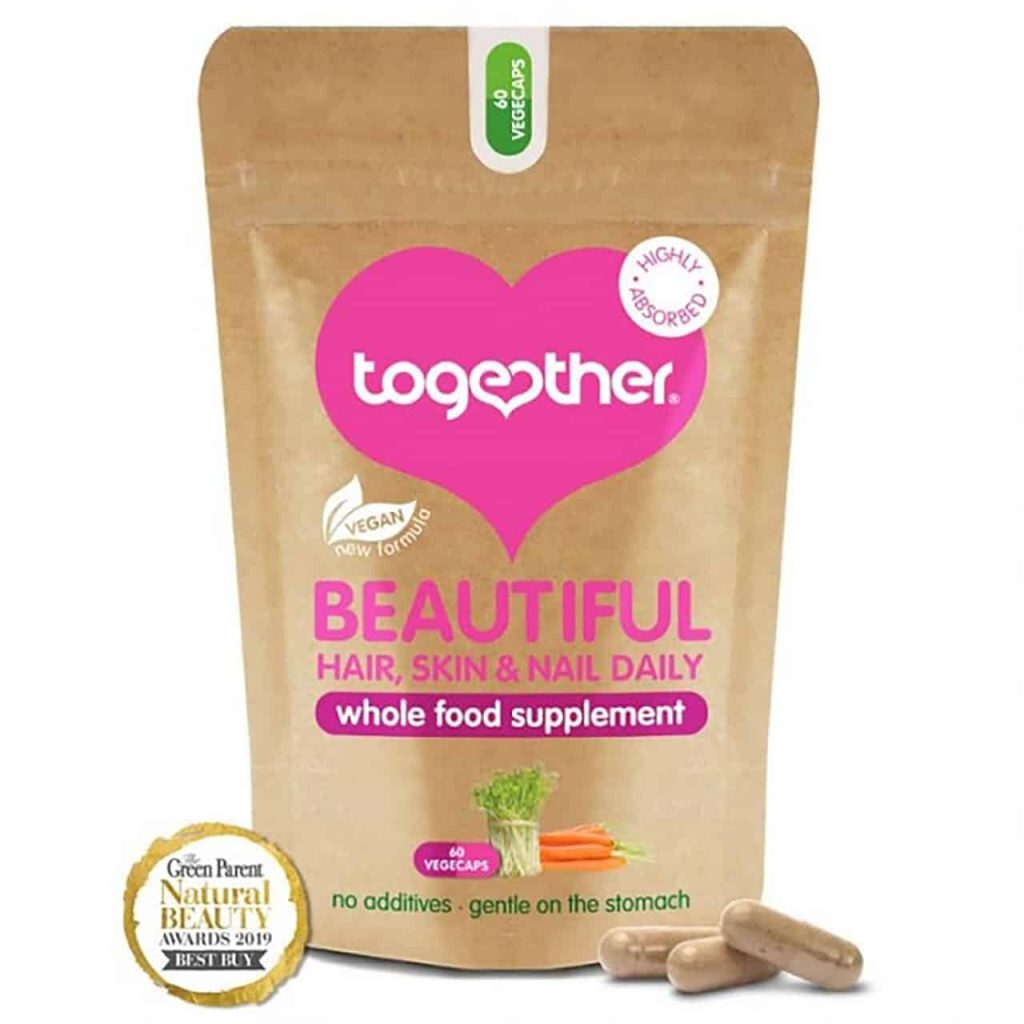
Beautiful capsules Together 60 pcs
In stock -
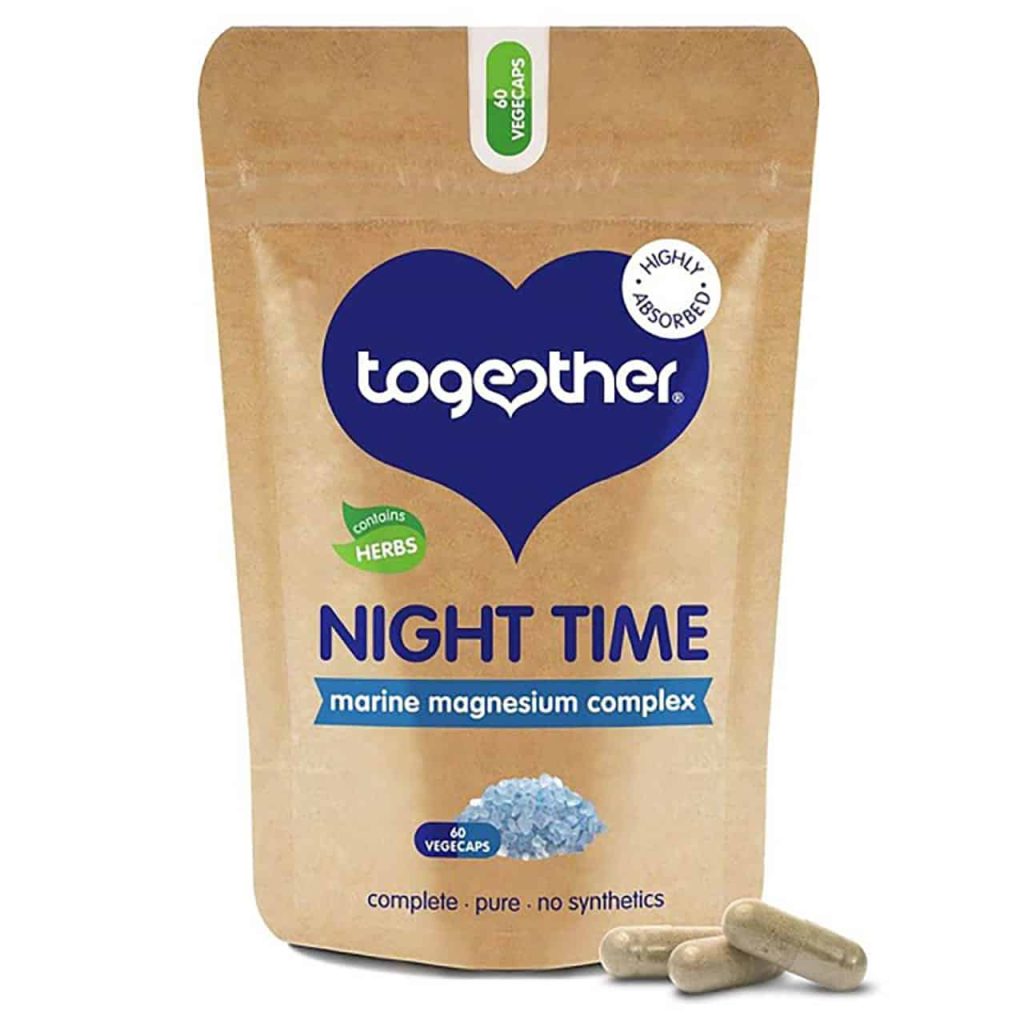
Night Time capsules Together 60 pcs
In stock -
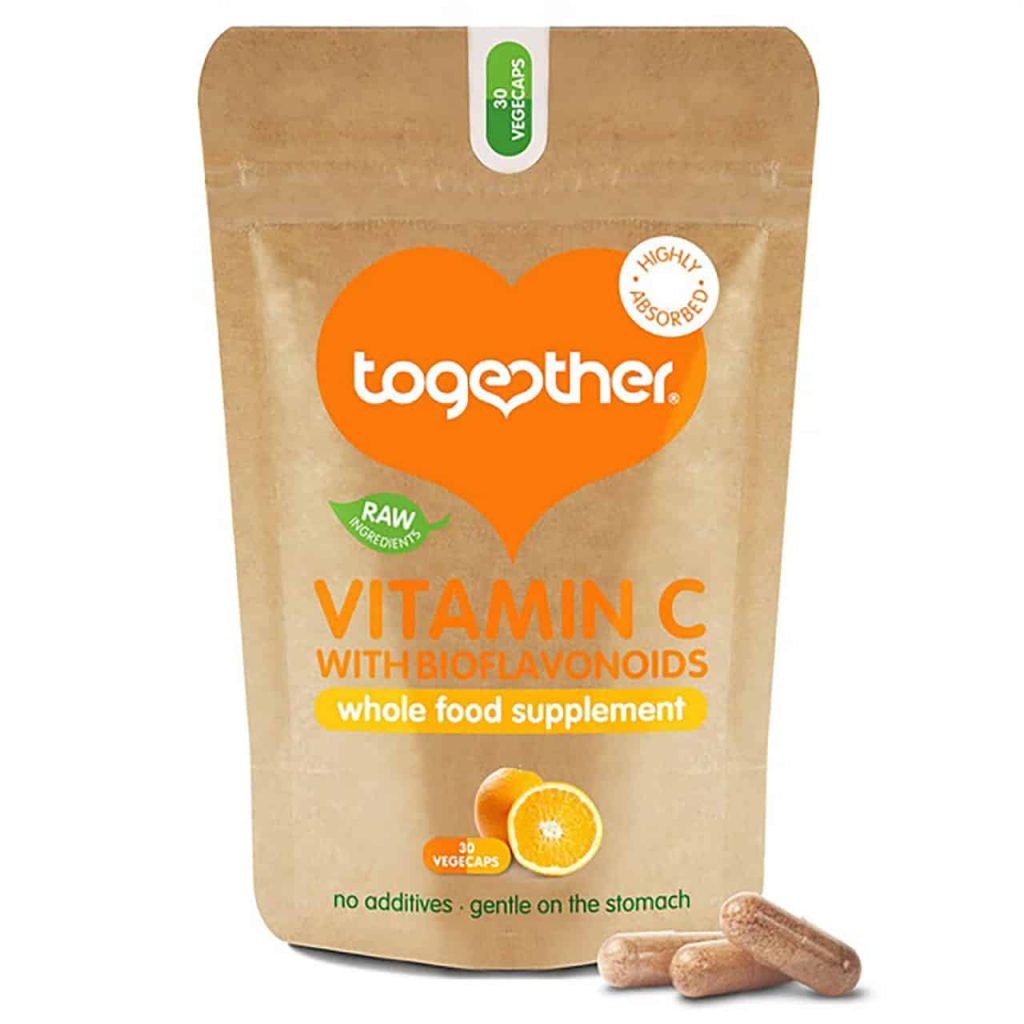
Vitamin C capsules Together 30 pcs
In stock -
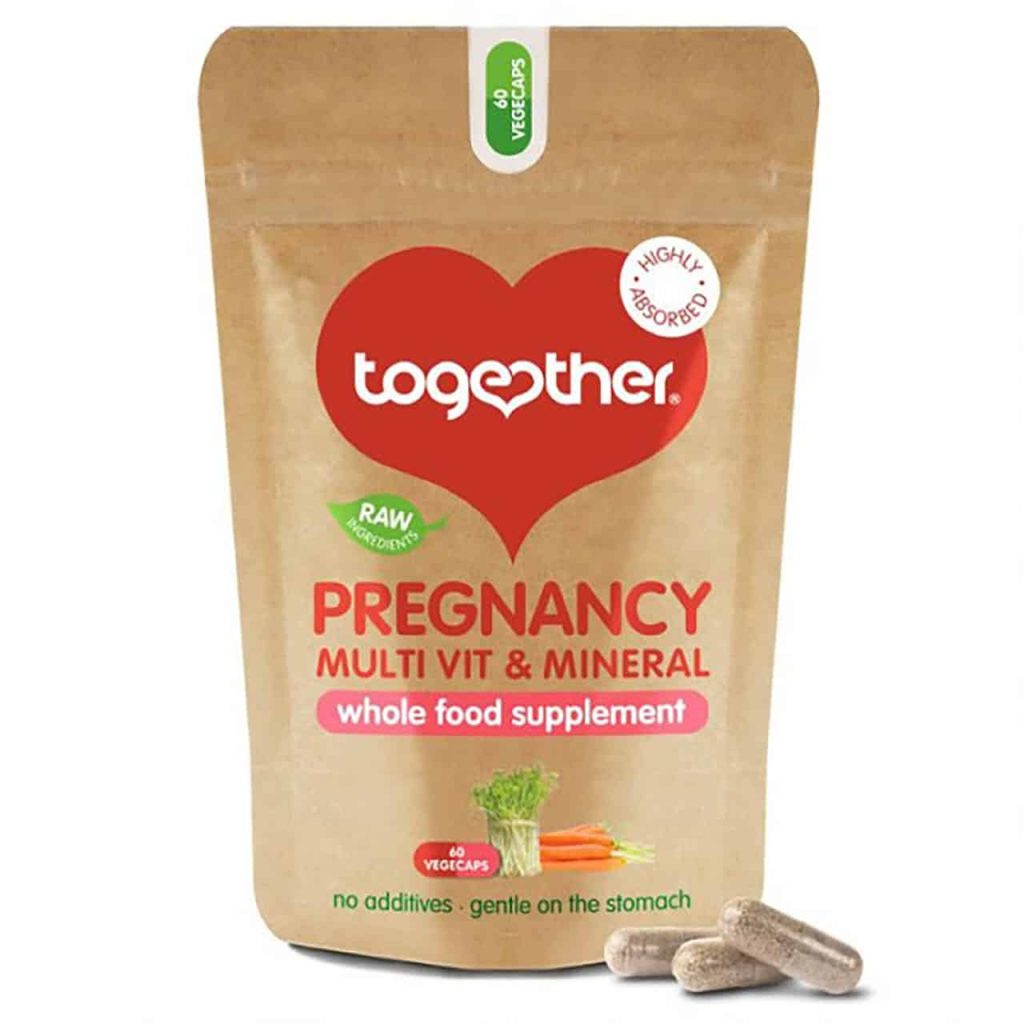
Pregnancy capsules Together 60 pcs
In stock -
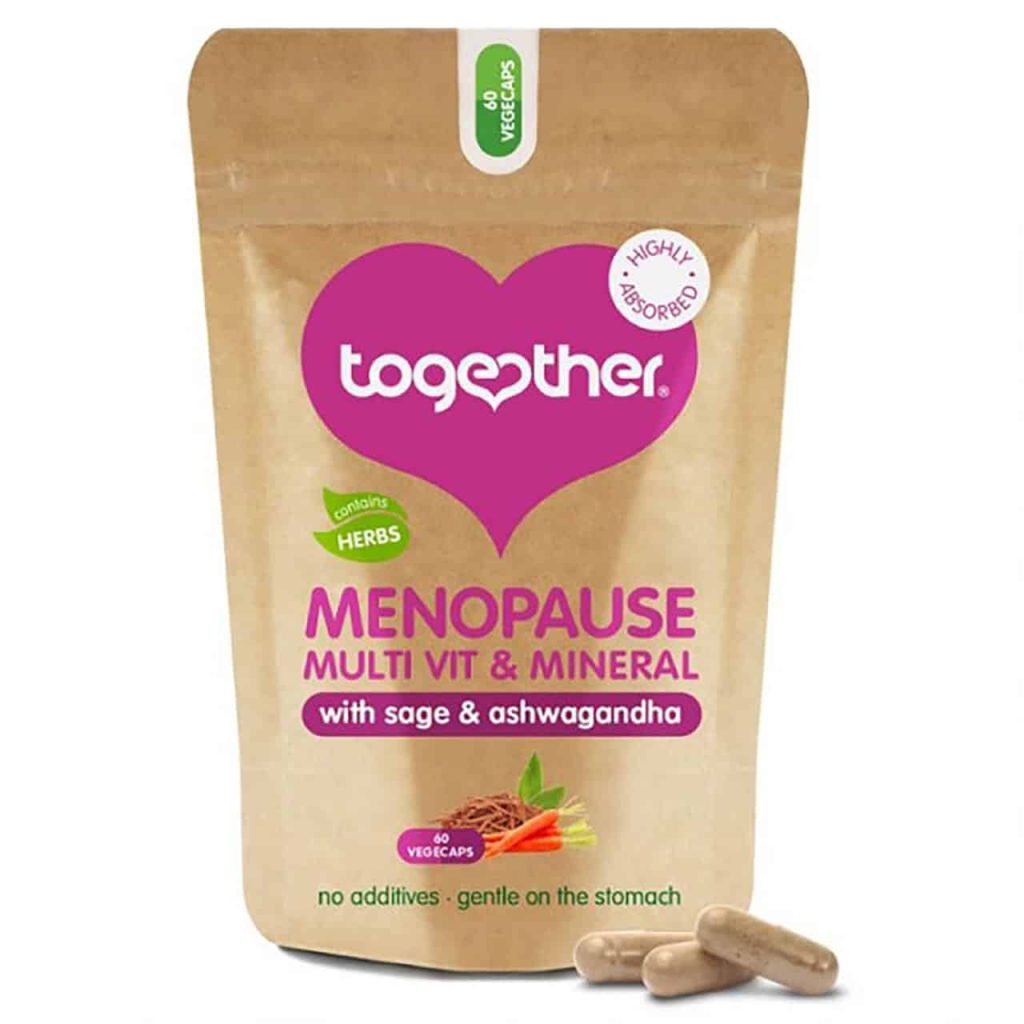
Menopause capsules Together 60 pcs
In stock -
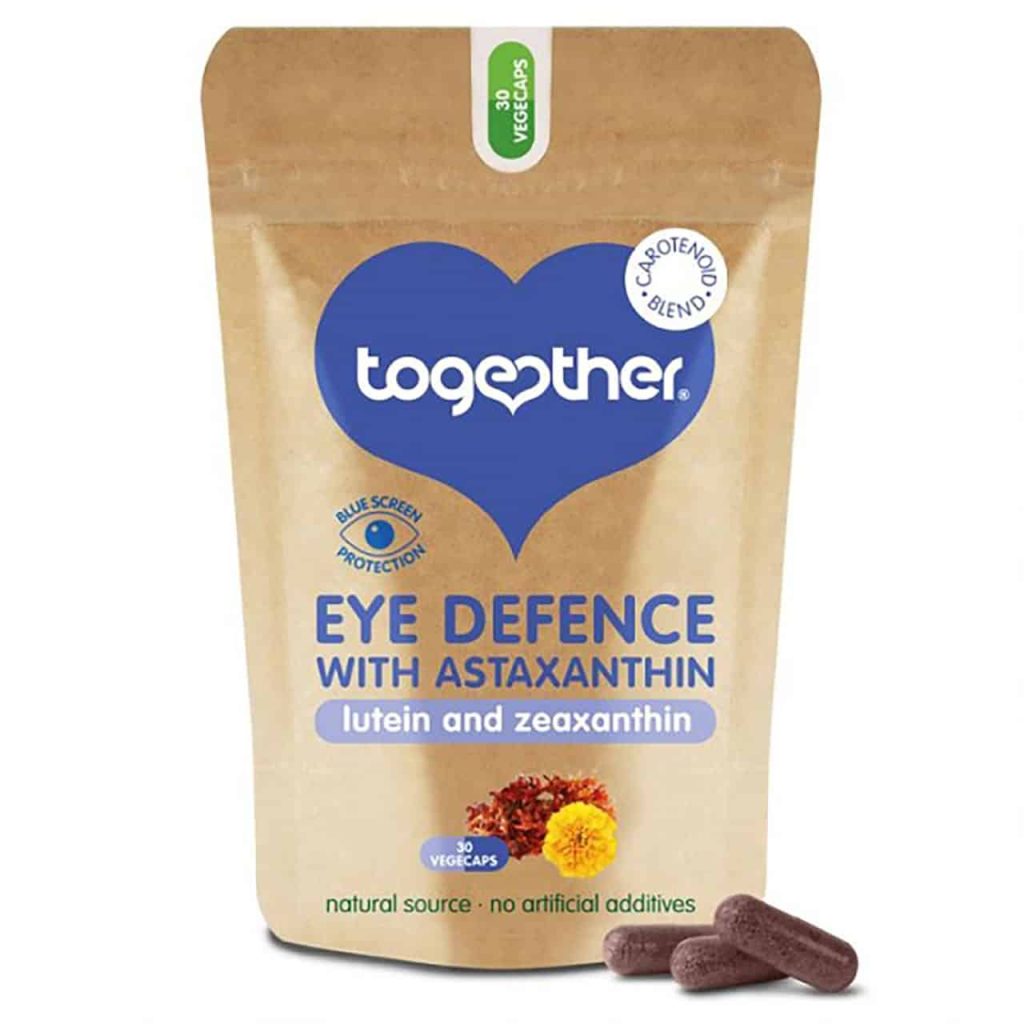
Eye Defence capsules Together 30 pcs
In stock -
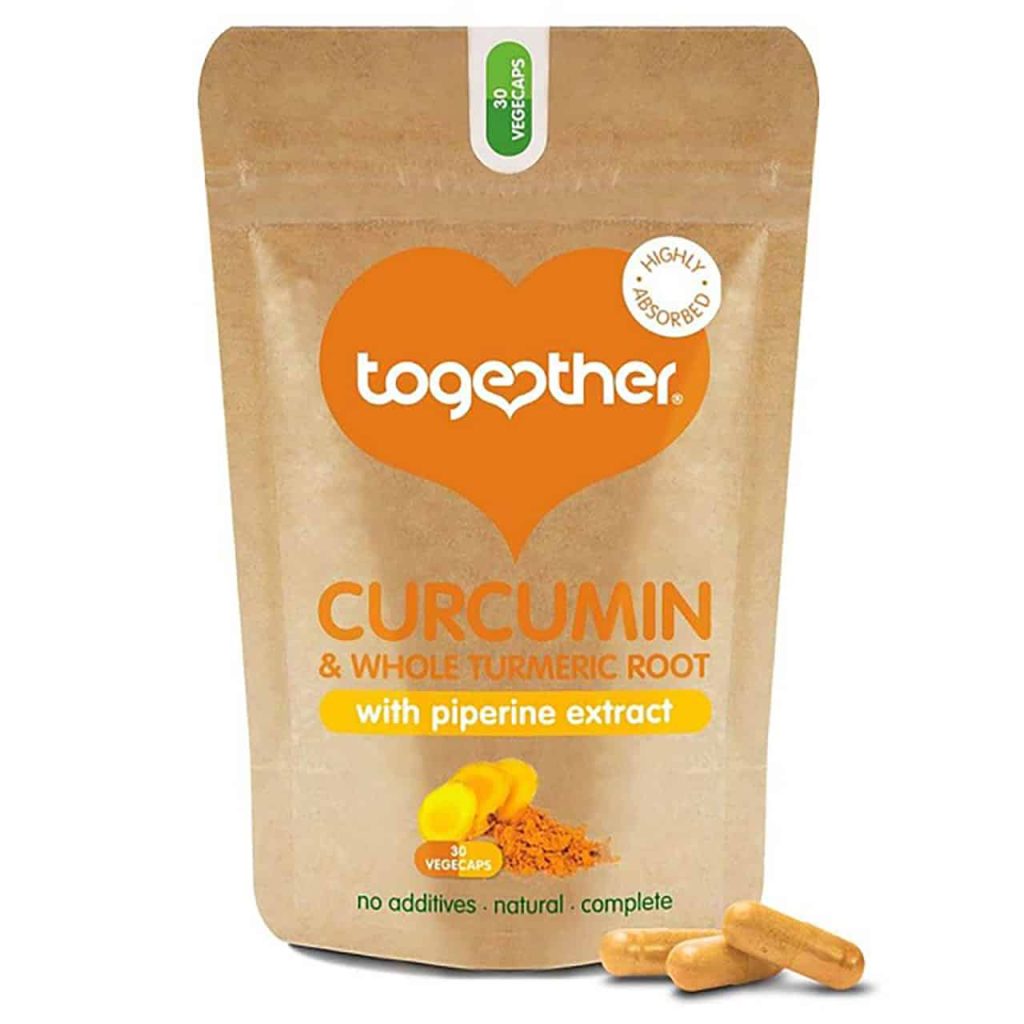
Turmeric capsules Together 30 pcs
In stock -

Vegums Super Iron gummies 30 pcs
In stock
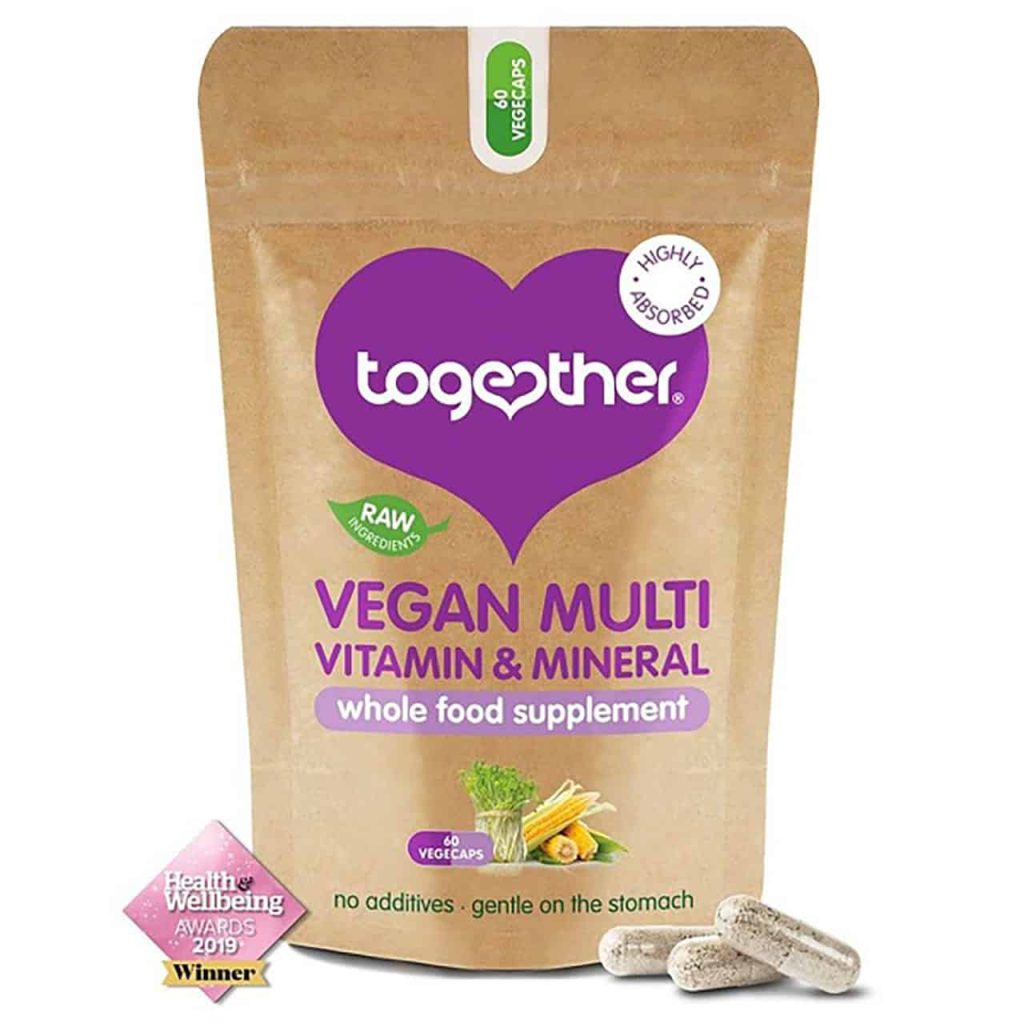
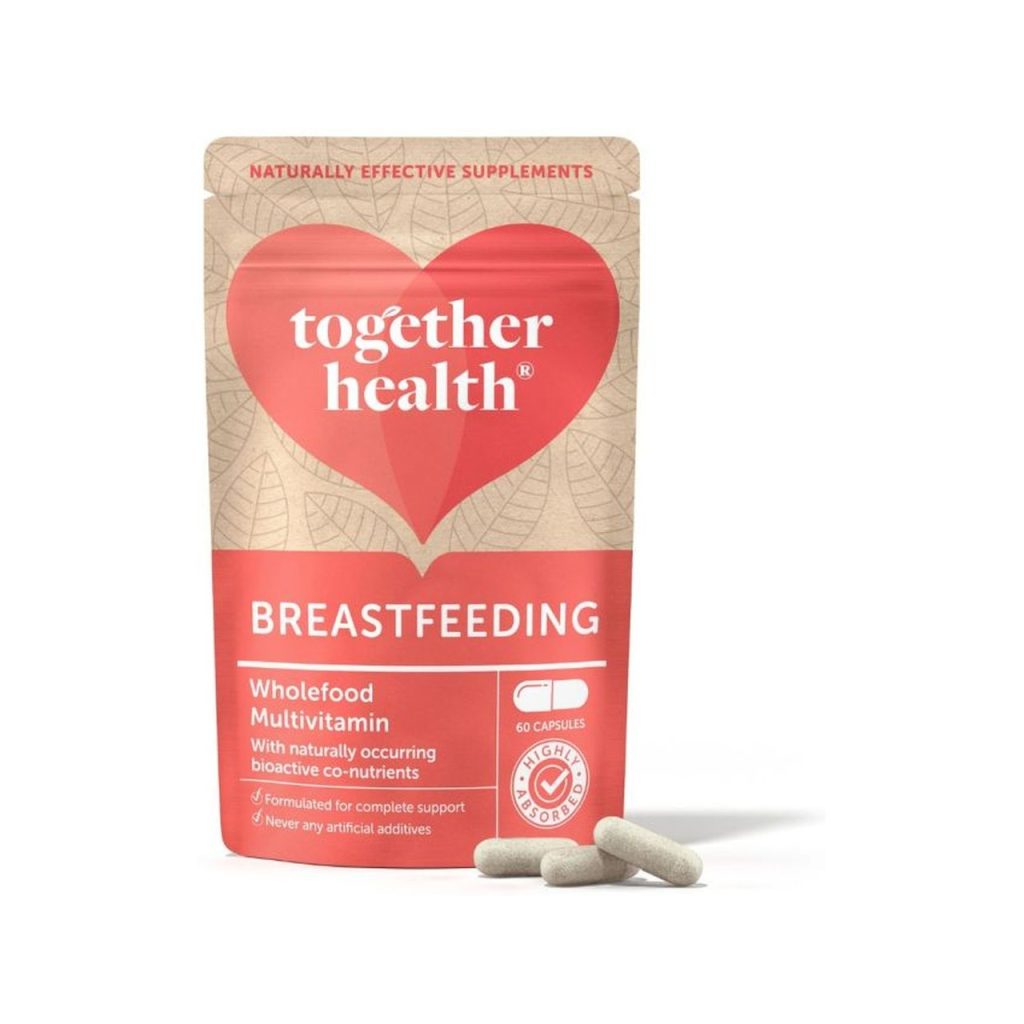

What are vitamins and minerals?
Vitamins and minerals are micronutrients: nutrients your body needs only a small amount of per day. Vitamins are organic and are produced by plants, animals and mushrooms. Your body makes a few itself, but not all, so you also get them from your food. Minerals are inorganic, come from the soil and therefore entirely from your food.Vegan vitamins from Together
Our vitamins and minerals come from Together, a British family business from Yorkshire that was formerly called Together Health. Everything is produced in the United Kingdom. The brand works with food-state and natural ingredients, is fully vegan and produces CO2-neutrally. They also make composed formulas with a considered balance, rather than dosing everything as high as possible.Choose what suits you
With us you will find individual vitamins and minerals, such as magnesium, calcium and vitamin D3, and composed formulas, for men, women or athletes for instance. Every product page states exactly what is in it and what amount per day is recommended. Everything fits through the letterbox.Frequently asked questions about vitamins and minerals
Are you allowed to say what a vitamin is good for?
Here we are, and that is an exception. Unlike with herbs, mushrooms or longevity compounds, officially approved health claims for vitamins and minerals do exist in the EU. Their wording is fixed exactly, for instance that vitamin C contributes to the normal function of the immune system. We stick to that established list and invent nothing on top of it. What a specific vitamin does according to that list is on the product page itself.
Is it wise to take a multivitamin every day?
For most people with a varied diet it is not necessary. There are groups and stages of life where that is different, but that is not a question for a webshop. The Netherlands Nutrition Centre gives independent guidance on that, and your GP or a dietitian will look at your situation.
Which vitamins should you not take too much of?
Your body stores fat-soluble vitamins (A, D, E and K), so those build up more easily than water-soluble ones. You can go too far with water-soluble ones too: the Netherlands Nutrition Centre mentions bowel complaints above 2 grams of vitamin C a day, for instance. Pay particular attention if you combine several products, because then the amounts add up. Stick to the recommended daily amount on the packaging.
What is the difference between vitamins and minerals?
Vitamins come from living nature: plants, animals and mushrooms produce them. Minerals come from the soil and are taken up by plants. Practically speaking they are both micronutrients you need in small amounts, and you get both of them mainly from your food.
When is the best time to take vitamins?
Fat-soluble vitamins (A, D, E and K) you take with a meal containing some fat, otherwise your body absorbs them less well. Water-soluble vitamins, such as C and the B group, can be taken at any time. If a specific moment of intake is stated on the packaging, stick to that.
What does food-state mean?
That the vitamin is not in the capsule as a separate, synthetic compound, but bound to a food matrix such as yeast or algae. Together works that way. Whether that makes a big difference in practice is still the subject of research, so we present it as a characteristic of the brand and not as a promise.