What are terpenes?
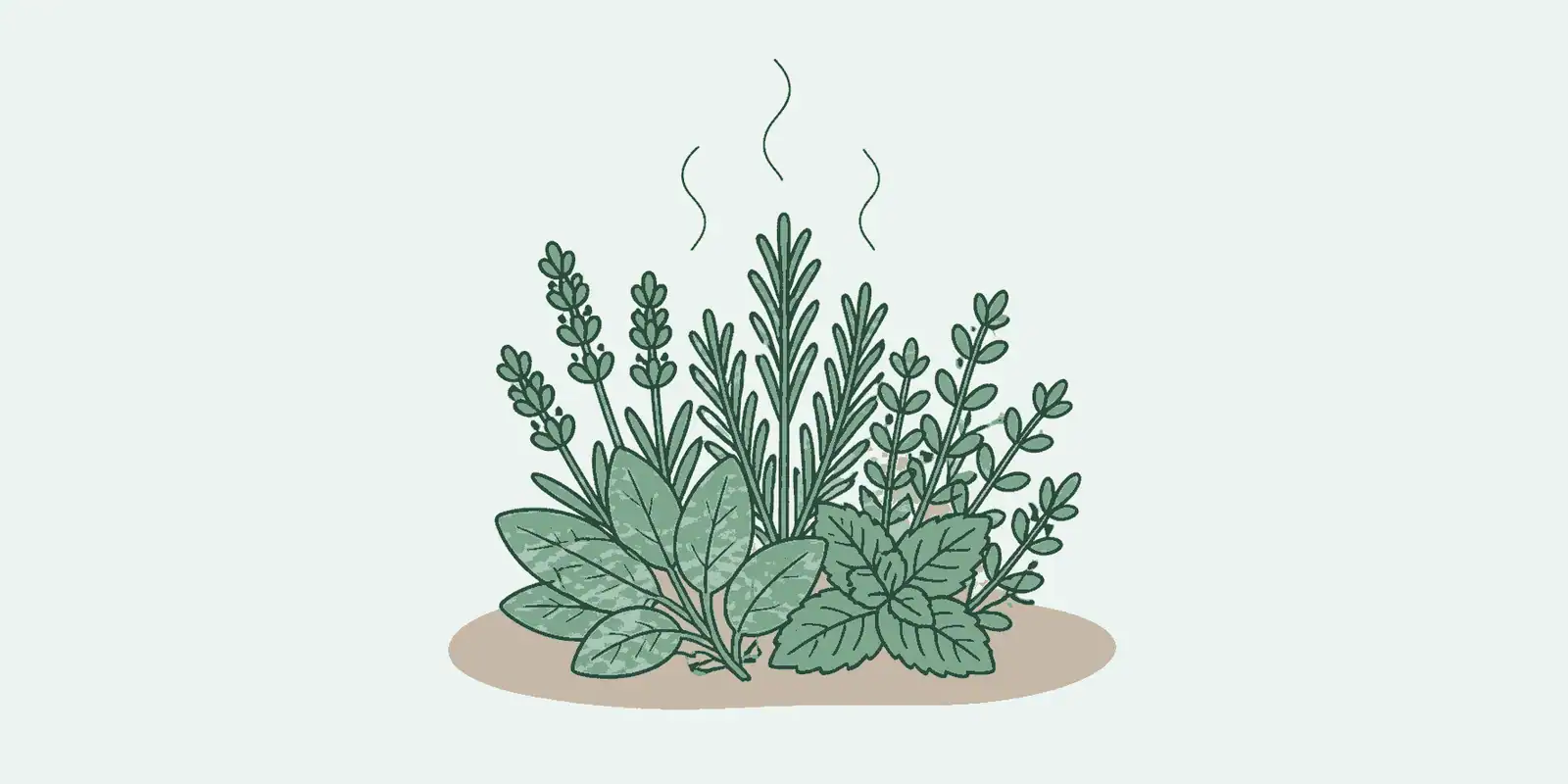
Terpenes are a class of organic compounds that occur naturally in virtually all plants and even in a few animals. They are aromatic compounds that give plants their own smell and taste. Terpenes are responsible for the typical apple flavour, for instance. And because every plant variety produces its own mix of terpenes, every kind of apple has its own taste too.
Chemically speaking, terpenes are hydrocarbons: molecules made up of carbon (C) and hydrogen (H). When they combine with alcohol, aldehyde or ketone groups, we call them terpenoids.
Types of terpenes
Worldwide, more than 48,000 types of terpenes and terpenoids are known. They are classified by the number of carbon atoms. One terpene unit contains ten carbon atoms: a molecule with ten is called a monoterpene, with twenty a diterpene, and with more than forty a polyterpene. You often come across polyterpenes in resin, wax and rubber. Monoterpenes are found mainly in the essential oils of plants, such as bay laurel, peppermint and chamomile.
Terpenes in the cannabis plant
The terpenes in cannabis are almost always monoterpenes. Scientists have now discovered more than 200 of them in cannabis. A few common ones:
- Myrcene. The most common terpene in the cannabis plant, responsible for the herbal, hoppy smell. Also found in wild thyme, hops and lemongrass.
- Limonene. Owes its name to its presence in citrus fruit such as limes, lemons and oranges. Provides the fresh citrus aroma.
- Linalool. Occurs in hundreds of plant species, including bay laurel, mint, cinnamon and citrus fruits.
What use are terpenes to the plant?
In nature everything has a function. Many terpenes are found in the oils of plants and give off a strong smell that hangs around the plant. That smell keeps certain bacteria, fungi and insects at a distance.
On the other hand, terpenes attract organisms the plant does want nearby, such as bees for pollination. When a plant is attacked, it sometimes releases terpenes that attract the attacker’s natural enemy. In this way terpenes play a role in the plant’s survival.
Terpenes in CBD oil
The terpenes in cannabis give every variety its own smell and taste. To preserve as many of them as possible in the CBD oil made from this cannabis, the cold CO2 extraction method is used. With it, the cannabinoids and terpenes come out of the plant together into the extract. Diluted with a carrier oil such as hemp seed oil or olive oil, this creates a natural CBD oil that keeps the plant’s own compounds.
Terpenes and the entourage effect
Terpenes have been used for centuries as fragrance and flavour compounds in food, skincare and essential oils. In a full spectrum CBD oil they help determine the smell and taste of the product.
Terpenes are also mentioned in connection with the entourage effect: the idea that the natural compounds from cannabis work differently together than separately. Exactly how that works is still the subject of research. See it mainly as background to the character of a full spectrum product, not as a promise about effect.
Frequently asked questions about terpenes
What are monoterpenes?
Terpenes are classified by the number of carbon atoms. A monoterpene has ten. Monoterpenes are found mainly in the essential oils of plants such as bay laurel, peppermint and chamomile, and the terpenes in cannabis are almost always monoterpenes.
Are there terpenes in CBD oil?
In full spectrum CBD oil there are. With cold CO2 extraction the cannabinoids and terpenes come out of the plant together into the extract, and they help determine the smell and taste of the oil. For dogs and cats choose an oil without terpenes, because animals often do not like the strong smell.
What is the entourage effect?
The idea that the natural compounds from cannabis work differently together than separately. How that works exactly is still being researched. See it as background to the character of a full spectrum product, not as a promise about effects.