A CBD overdose has not been described
To start with the reassuring answer straight away: an overdose in the classic sense has not been described for CBD. No cases of poisoning by CBD have been documented.
In research, high doses have sometimes been used, but short-term and under medical supervision. That says little about daily use. The UK Food Standards Agency (FSA) advises healthy adults not to take more than 10 mg of CBD a day, and the European Food Safety Authority (EFSA) was not yet able to establish a safe dose in 2022.
Even so, do pay attention to the dose of your CBD oil
Even though an overdose has not been described, we certainly do not recommend taking as much CBD as possible. First of all, that is a waste of money. And more importantly: there are indeed negative side effects to taking excessive amounts of CBD oil. Particularly if you take medication, it is important to pay attention to this. Be especially careful with large amounts of full spectrum CBD, because it also contains (a very small amount of) THC. No poisoning has been described for THC either, although in large amounts it can cause side effects.
What are the side effects of too much CBD oil?
Are you taking more CBD than your body can tolerate well? Then you can get complaints such as:
- Diarrhoea or constipation
- Nausea
- Vomiting
- Reduced appetite
- Excessive tiredness
- Dry mouth
Watch out with CBD and medicines
Besides these side effects, CBD can also affect how medicines work. This can lead to very dangerous situations, so be careful with CBD when you are taking medication and always consult your doctor or pharmacist if in doubt.
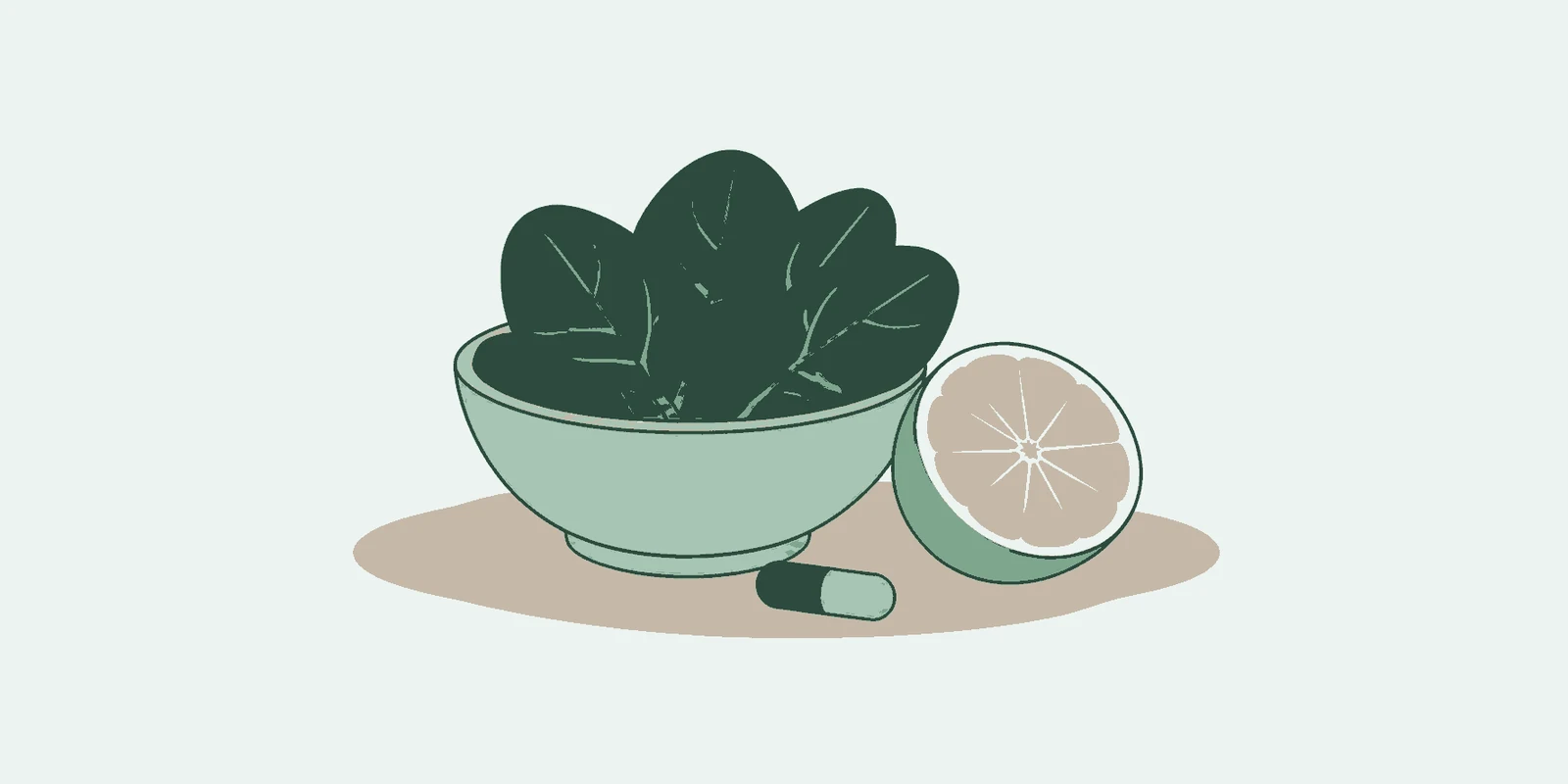
A good rule of thumb is that if a medicine carries a warning about grapefruit, you are better off not using that medicine in combination with large amounts of CBD either. This is because CBD has a similar effect on how these medicines work: like CBD, the furanocoumarins from grapefruit inhibit metabolism. We therefore recommend being extra careful with CBD if you use the following medicines:
- Antihistamines
- Antibiotics
- Cancer medicines
- Blood thinners and blood pressure medicines
- Painkillers
- Medicines for your prostate
- Anti-epileptics
- Corticosteroids
Do you use one of the types of medicine mentioned above? Then always consult your doctor first about whether, and how much, CBD is responsible in your case.
How much CBD should I take?
The ideal amount of CBD differs from person to person, but it is in any case smart to start with a low dose. By then slowly increasing it, you notice in time how your body responds. Do you not feel good after increasing the dose? Then take a little less next time.
Have you never taken CBD oil before? Start low, for example with 2 to 3 drops of 5% CBD oil, and stick to the dose on the label. If you want to increase the dose, do so in small steps and stay within what the label says.
Frequently asked questions about a CBD overdose
How many mg of CBD can you take per day?
There is no fixed amount that applies to everyone. The UK Food Standards Agency (FSA) advises healthy adults to take no more than 10 mg of CBD a day, and in 2022 the European Food Safety Authority (EFSA) was not yet able to establish a safe dose. Start low, for example with 2 to 3 drops of 5% CBD oil, and stick to the dosage on the label.
What are the risks of using CBD oil?
If you take more CBD than your body can tolerate well, you may get diarrhoea or constipation, nausea, vomiting, reduced appetite, excessive tiredness or a dry mouth. CBD can also interact with medication, such as blood thinners, antibiotics and anti-epileptic drugs. A useful rule of thumb: if your medicine carries a warning about grapefruit, talk to your doctor or pharmacist before you use CBD.
Can you become addicted to CBD?
In 2018 the World Health Organization concluded that CBD has no potential for dependence. That is not the same as risk-free: CBD can cause side effects and interact with medication. If you take medication, are pregnant or are breastfeeding, talk to your doctor first.
Do you think you have taken too much CBD?
Have you, or has someone else, taken a very large amount of CBD? Then bear in mind that in most cases the complaints pass on their own. Are you taking medication, though, or do your complaints last a long time? Then contact your GP to be on the safe side. Do you notice someone losing consciousness, having serious breathing problems or other serious complaints? Then call 112. It will not be a CBD overdose, but it will be a serious health problem.