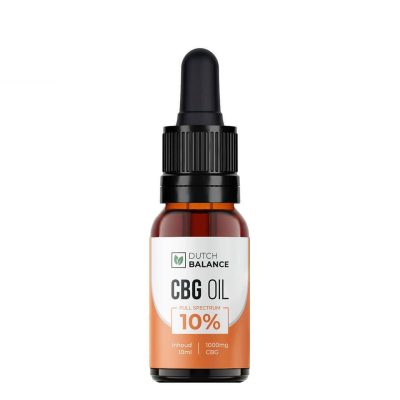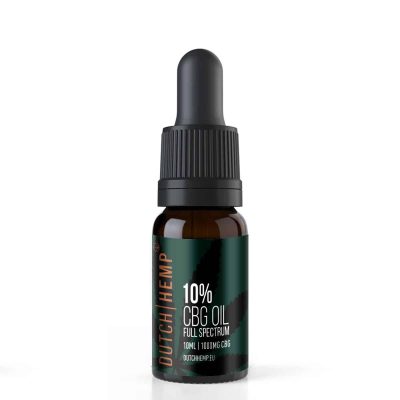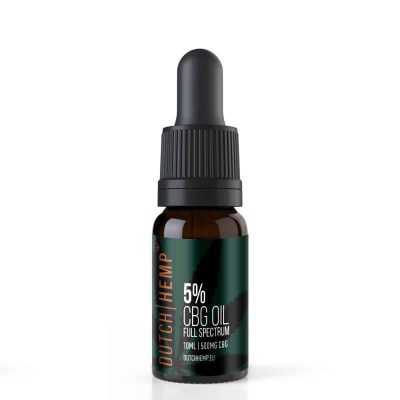
Cannabigerol (CBG) is a lesser-known cannabinoid from the hemp plant. CBD and THC generally get the most attention, but CBG is becoming better known. In this article you can read what CBG is exactly, how it compares with CBD and how you use it.
What exactly is CBG?
CBG is a natural compound in cannabis and is often called the “mother of all cannabinoids”. That is because CBG-A, the acid form of CBG, is converted during the plant’s growth into other cannabinoids, including THC and CBD. In a mature plant only a small percentage of CBG therefore remains, which makes it a relatively rare cannabinoid.
By using special cannabis varieties that convert CBG more slowly, an extract can be obtained that is rich in CBG. That forms the basis for CBG oil and other CBG products.
How does CBG relate to the body?
Like other cannabinoids, CBG interacts with the endocannabinoid system (ECS), a network of receptors of the body’s own that is involved in regulating a wide range of processes. CBG binds to the CB1 and CB2 receptors. What that interaction means for people is still very much the subject of research.
CBG and CBD side by side
CBD and CBG are both non-psychoactive: neither one gets you high. Both interact with the endocannabinoid system, though not in the same way. The biggest practical difference is quantity. CBG occurs in the plant at a much lower level than CBD, which is why CBG oil is generally more expensive. There is also considerably less research into CBG, simply because CBD has been in view for much longer.
CBG and research
Research into CBG is still in its infancy. Much of what exists comes from pre-clinical studies: research in the lab or in animals. That gives interesting pointers, but no hard conclusions for humans yet.
There are currently no EU-approved health claims for CBG. It is a food supplement, not a medicine and not a replacement for medical care. Do you take medication, are you pregnant or breastfeeding? Then consult your doctor first.
Taking CBG
You can use CBG in various ways:
- As CBG oil under the tongue, comparable to CBD oil.
- Neat, as an isolate.
- The isolate mixed into a smoothie or tea, for instance.
- Worked into edibles, such as biscuits with pure CBG.
How do you use CBG oil?
Using CBG oil resembles using CBD oil:
- Dose: start with a low dose, 2 to 3 drops under the tongue for instance, depending on the concentration. Let the oil sit under your tongue for about 30 seconds before you swallow. Stick to the dose on the label.
- Timing: choose a fixed moment that fits your day, so you are less likely to forget it.
Frequently asked questions about CBG oil
What does CBG do to your body?
We do not say, because no health claims for CBG have been approved in the European Union. What is known is that CBG binds to the CB1 and CB2 receptors of the endocannabinoid system, and what that means for people is still being researched. Most of the research has been done in the lab or on animals. CBG is a food supplement, not a medicine.
What is the difference between CBG and CBD?
Both are cannabinoids from the hemp plant, and neither will make you high. CBG is called the mother cannabinoid because the plant turns it into other cannabinoids such as CBD and THC as it grows. As a result little CBG is left in a mature plant, which makes CBG oil generally more expensive. Far less research has also been done on CBG.
How do you use CBG oil?
Just like CBD oil: you drop the oil under your tongue and leave it there for about 30 seconds before swallowing. Start low, for example with 2 to 3 drops, and stick to the dosage on the label. If you take medication, are pregnant or are breastfeeding, talk to your doctor first.
Trying CBG yourself?
CBG is less well known than CBD, but is seen by some users as an addition to their CBD. Would you like to try it? Have a look at our range of CBG products. Questions? Feel free to get in touch.